

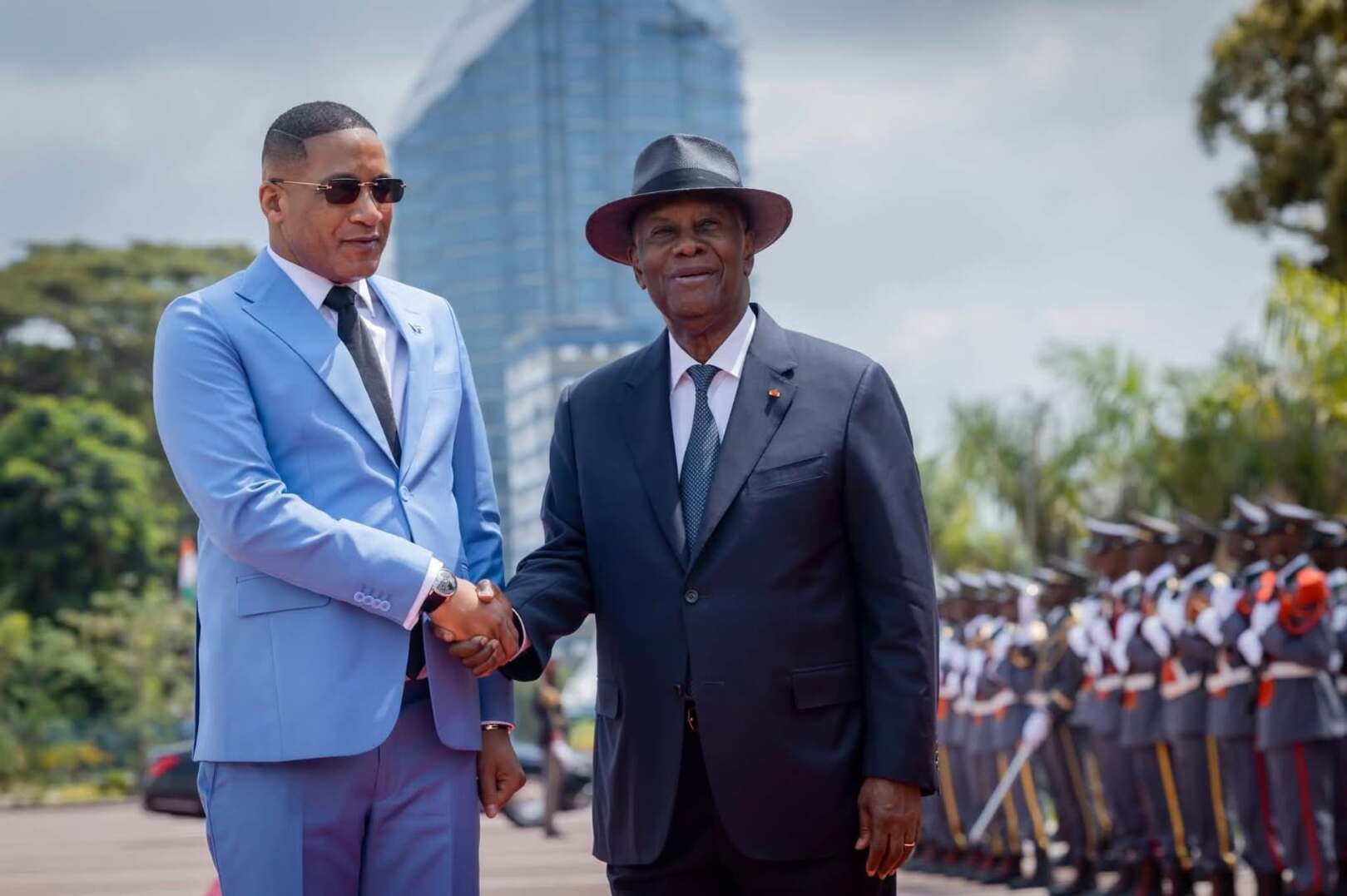
Speaking in Abidjan on November 16, 2026, during an official luncheon hosted by Ivorian President Alassane Ouattara, Botswana's President Duma Gideon Boko highlighted his country's potential as a platform for accessing regional markets representing more than 400 million consumers.
The markets include South Africa, Zambia, Zimbabwe, Namibia, Angola, Mozambique and the Democratic Republic of Congo, among others.
Botswana's position within the Southern African Development Community (SADC) and the Southern African Customs Union (SACU) gives businesses access to regional trade frameworks and opportunities to develop commercial partnerships across neighbouring economies.
The two countries are also seeking to deepen cooperation in strategic sectors, particularly mining and energy. In July 2026, they signed an agreement in Gaborone to strengthen collaboration in geological research, mineral exploration, diamond production, gold and critical minerals.
The partnership could create opportunities for Ivorian companies interested in mining services, industrial equipment, agricultural processing, energy and infrastructure.
A Côte d’Ivoire-Botswana business forum is also scheduled to bring together companies and investors from both countries in Abidjan, with the aim of encouraging business-to-business meetings and identifying potential partnerships.
For Botswana, stronger economic relations with Côte d’Ivoire offer an opportunity to expand its presence in West Africa. For Ivorian businesses, the partnership could provide a platform to explore new markets and diversify their commercial activities towards Southern Africa.
However, accessing these markets will require companies to assess local regulations, trade requirements, logistics costs and business conditions in each country.