

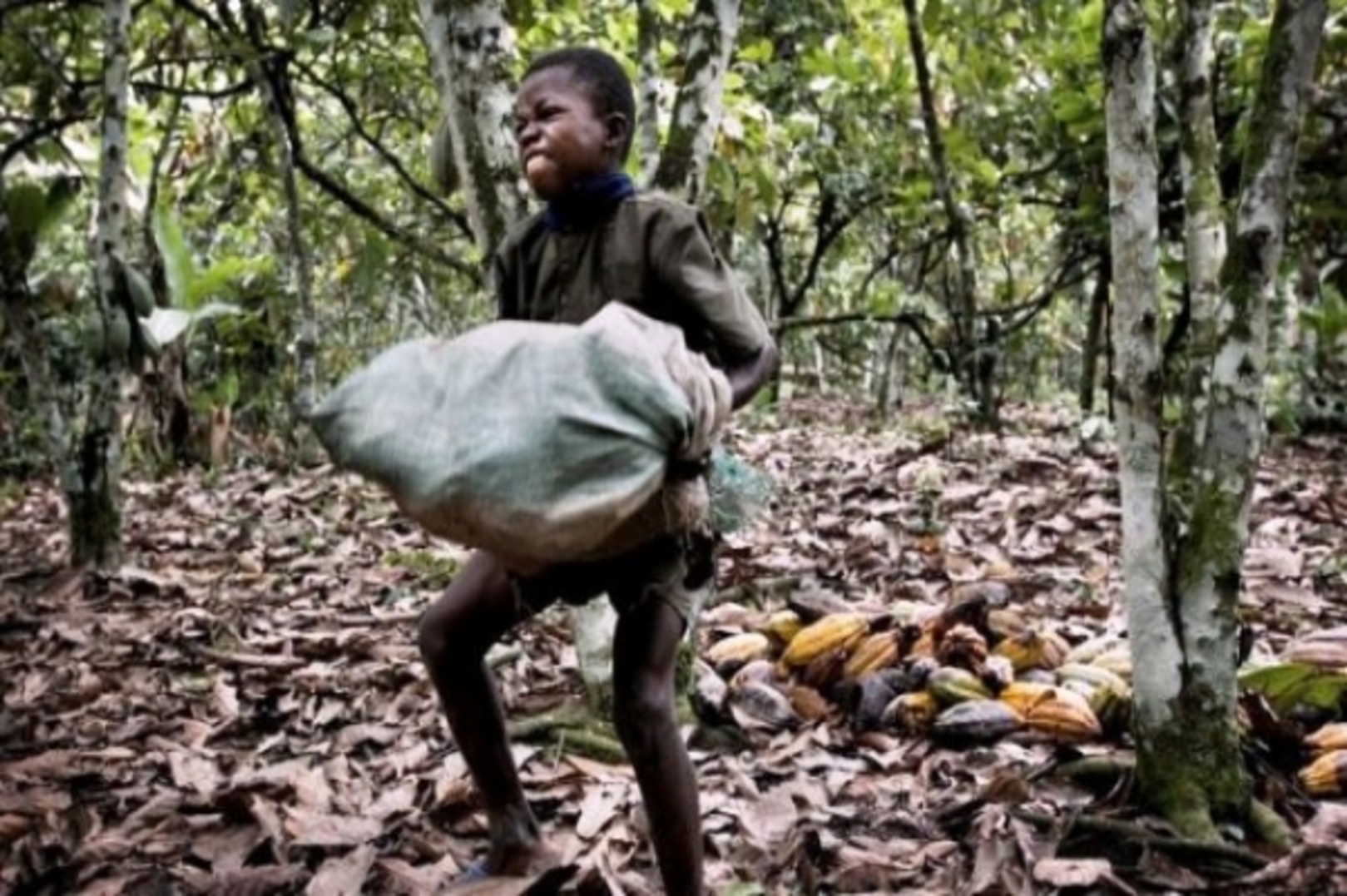
Six African countries are strengthening cooperation to combat child labour, as representatives from Côte d’Ivoire, Ghana, Kenya, Mali, Nigeria and Uganda meet in Abidjan for a four-day innovation workshop organised with the International Labour Organization (ILO).
The meeting, running from October 26 to 29, is being held under the ILO’s ACCEL Africa project. It aims to develop practical solutions to eliminate child labour, particularly in supply chains, while addressing gender inequalities that can increase children’s vulnerability.
Around 30 participants are attending the workshop, including representatives of public institutions, employers’ and workers’ organisations, cooperatives, producers’ groups and civil society.
The discussions focus on developing practical tools and inclusive policies that reflect the realities of each country. Participants are also examining the social norms and structural factors that contribute to the persistence of child labour.
Angèle Kra, representing the Director-General of Social Protection, stressed the importance of turning discussions into practical tools. She also called for existing approaches to be reconsidered and for countries to share inclusive policy models adapted to their national contexts.
According to the ILO, eliminating child labour requires more than political commitments. It also involves challenging entrenched social norms and bringing together stakeholders with diverse perspectives.
Agossou Coffi, Deputy Regional Director of the ILO Regional Office for Africa, emphasised the need for innovative ideas and a willingness to question long-standing practices that perpetuate inequality.
Through the workshop, the six participating countries aim to strengthen their strategies and improve mechanisms for preventing child labour.
The discussions are expected to produce actionable proposals that can be adapted to different national contexts. Their long-term impact, however, will depend on how effectively the proposed solutions are implemented and sustained.
The initiative forms part of broader efforts to combat child labour across Africa by addressing economic practices, social norms and the factors that leave children vulnerable.