

Côte d’Ivoire Cuts VAT on Agricultural Inputs and Secures CFA180 Billion for Regional Energy Development
Côte d’Ivoire has introduced a reduced Value Added Tax (VAT) rate on key agricultural inputs and approved a major regional energy financing package as part of efforts to support farmers and strengthen the country's role in West Africa’s power sector.
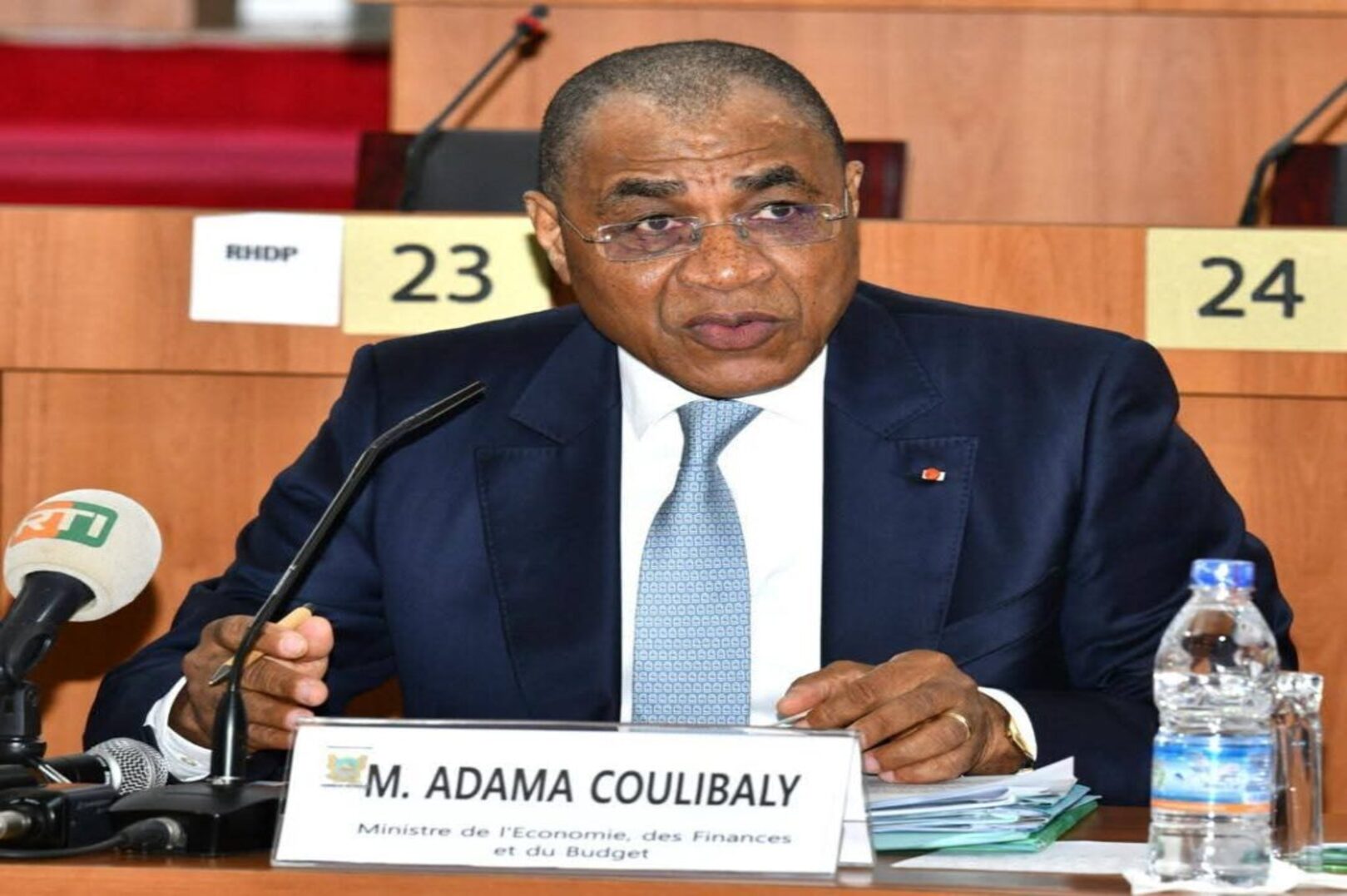
Finance and Budget Minister Adama Coulibaly announced that a reduced VAT rate of 9% will apply to fertilizers, animal feed, agricultural fibers and selected agricultural inputs. The measure is intended to ease production costs for farmers and livestock producers while maintaining the competitiveness of the agricultural sector.
The government said the reduced rate would help limit the impact of fiscal reforms on production costs and prevent significant increases in consumer prices. The standard VAT rate in Côte d’Ivoire is 18%.
“We decided to apply a 9% rate in order to avoid potential price increases for consumers while encouraging operators in the sector to further develop their activities,” Coulibaly told lawmakers during discussions on the reform package.
In a parallel move, the government approved the establishment of the Millennium Challenge Account–Côte d’Ivoire Regional (MCA-CI Regional), the entity responsible for implementing the Regional Energy Compact signed with the United States Millennium Challenge Corporation (MCC).
The program mobilizes $322.5 million, equivalent to approximately CFA180 billion, to strengthen cross-border electricity trade and accelerate regional energy integration across West Africa.
Authorities said the funding will support the modernization of electricity infrastructure, improve power transmission networks and enhance the capacity of energy sector stakeholders. The initiative is expected to reinforce Côte d’Ivoire’s position as a leading electricity exporter within the region.
The reforms come as the country seeks to boost agricultural productivity while meeting growing regional demand for electricity. The government has also announced that revenues from a former refining-sector levy will be redirected toward priority investments in the electricity sector.
Analysts say the combined measures reflect the government's strategy of supporting agricultural production, controlling inflationary pressures and expanding energy infrastructure—three key pillars of Côte d’Ivoire’s economic development agenda.