

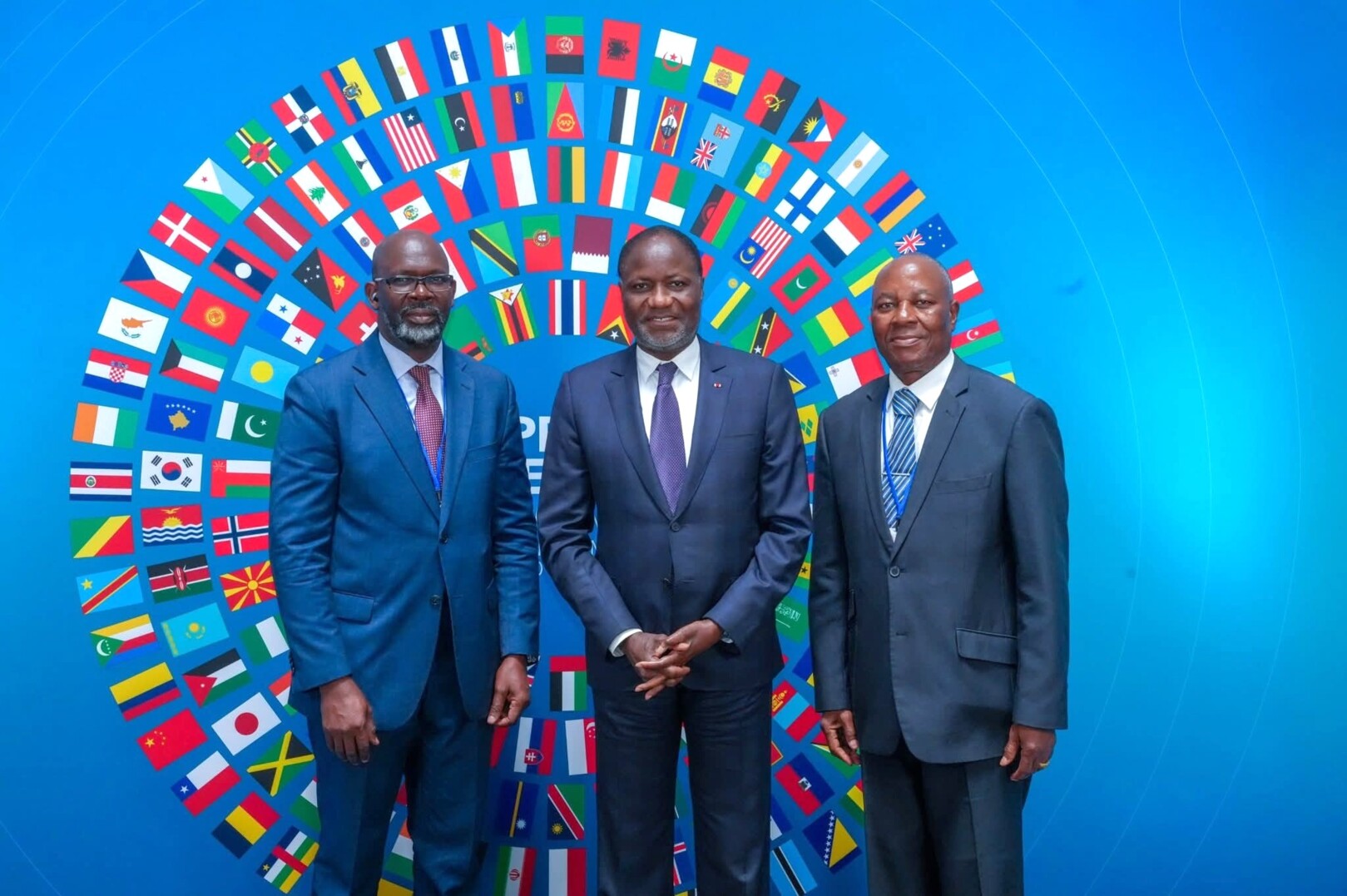
Mamadou Sangafowa Coulibaly, speaking at the World Bank and IMF Spring Meetings 2026 in Washington, D.C. on April 17, 2026, reaffirmed Côte d’Ivoire’s commitment to making natural gas a cornerstone of its energy sovereignty.
“We must first meet domestic demand before liquefying surplus gas for export. This reflects a political will to use energy as a driver of internal economic transformation rather than merely a source of foreign currency. In other words, gas is no longer just a resource to export, but a tool for industrialization,” he stated.
Faced with a growing energy deficit despite rising local and global demand, the minister emphasized that Côte d’Ivoire has made a strategic decision to prioritize the domestic market. “We are breaking away from a systematic export model to focus on local transformation. In Côte d’Ivoire, all gas discovered so far has been used to generate electricity,” he explained.
According to him, this approach is driven by strong demand growth, with electricity consumption increasing by 10% to 15% annually, fueled by both domestic needs and those of neighboring countries connected to the Ivorian power grid. However, this rapid growth is putting structural pressure on gas supply.
The situation could soon improve thanks to major new discoveries. “The Calao field, in particular, is a game changer. With estimated reserves of around 5 trillion cubic feet, it has the potential to transform Côte d’Ivoire’s energy landscape and triple energy production in the coming years,” he said.
While the priority remains securing long-term national energy supply and strengthening Côte d’Ivoire’s role as a regional electricity provider, the development of the gas sector requires significant infrastructure. “Our immediate needs are clear: pipelines, processing facilities, and infrastructure to transport gas to power plants. These are investments the country is committed to making to ensure energy independence using its own resources,” he added.
He also noted that Africa’s natural gas reserves are estimated at around 650 trillion cubic feet, with more than half currently exported.