

Côte d’Ivoire is stepping up efforts to bridge the gap between higher education and employment as authorities seek to equip graduates with skills that better match the needs of the economy.
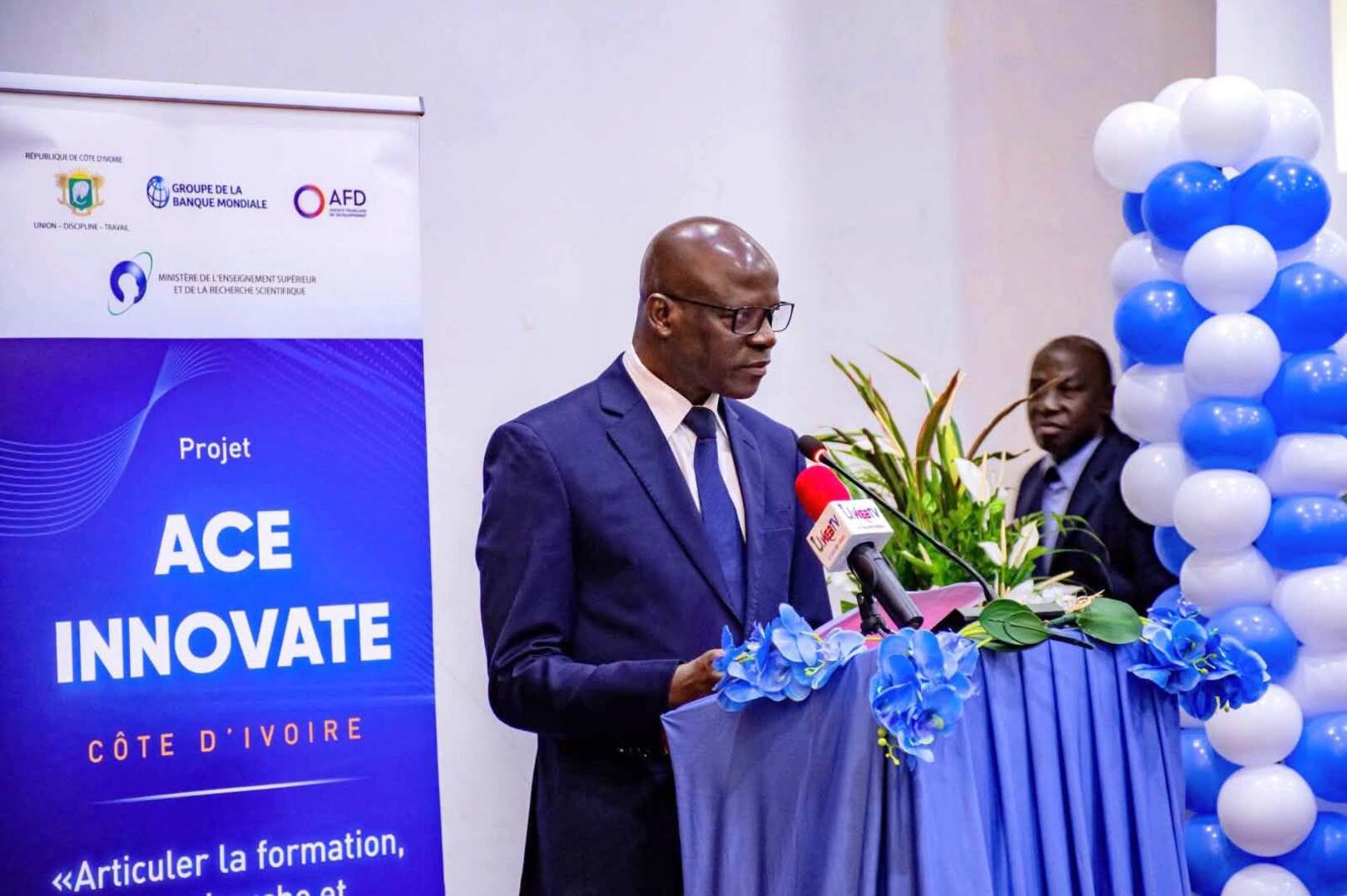
Speaking at the opening of a three-day workshop in Abidjan on June 16, Higher Education and Scientific Research Minister Adama Diawara said academic programs must be more closely aligned with labor market demands and the country's priority value chains.
The workshop forms part of the ACE INNOVATE project, an initiative supported by the World Bank and the French Development Agency (AFD) aimed at strengthening higher education and innovation across Africa.
"A degree is not simply an academic distinction. It must open the door to employment, entrepreneurship, research and innovation," Diawara said, calling for stronger involvement of private-sector companies in training and curriculum development.
According to the minister, the program focuses on four key areas: strengthening African Centers of Excellence and their host universities, expanding access to advanced skills through partnerships between universities and employers, deepening collaboration between academia and industry, and enhancing regional cooperation.
Diawara also stressed the importance of technical and vocational training, noting that industrial development depends not only on engineers and researchers but also on a skilled workforce capable of supporting infrastructure and economic projects.
The initiative comes as Côte d’Ivoire faces growing employment challenges. Nearly 500,000 young people enter the labor market each year, which remains largely dominated by the informal sector, according to World Bank representative Modibo Sidibé.
AFD Country Director Adrien Haye said the new phase of the program aims to extend excellence beyond specialized centers to generate broader and more sustainable economic impact.
The reforms are part of broader efforts by Côte d’Ivoire to improve workforce competitiveness, support industrialization and better prepare young people for the evolving demands of the economy.