

Côte d’Ivoire has called on the World Bank Group to better align its financing with the national development priorities of member countries, as African governments seek to channel more resources towards job creation, industrialisation and private-sector growth.
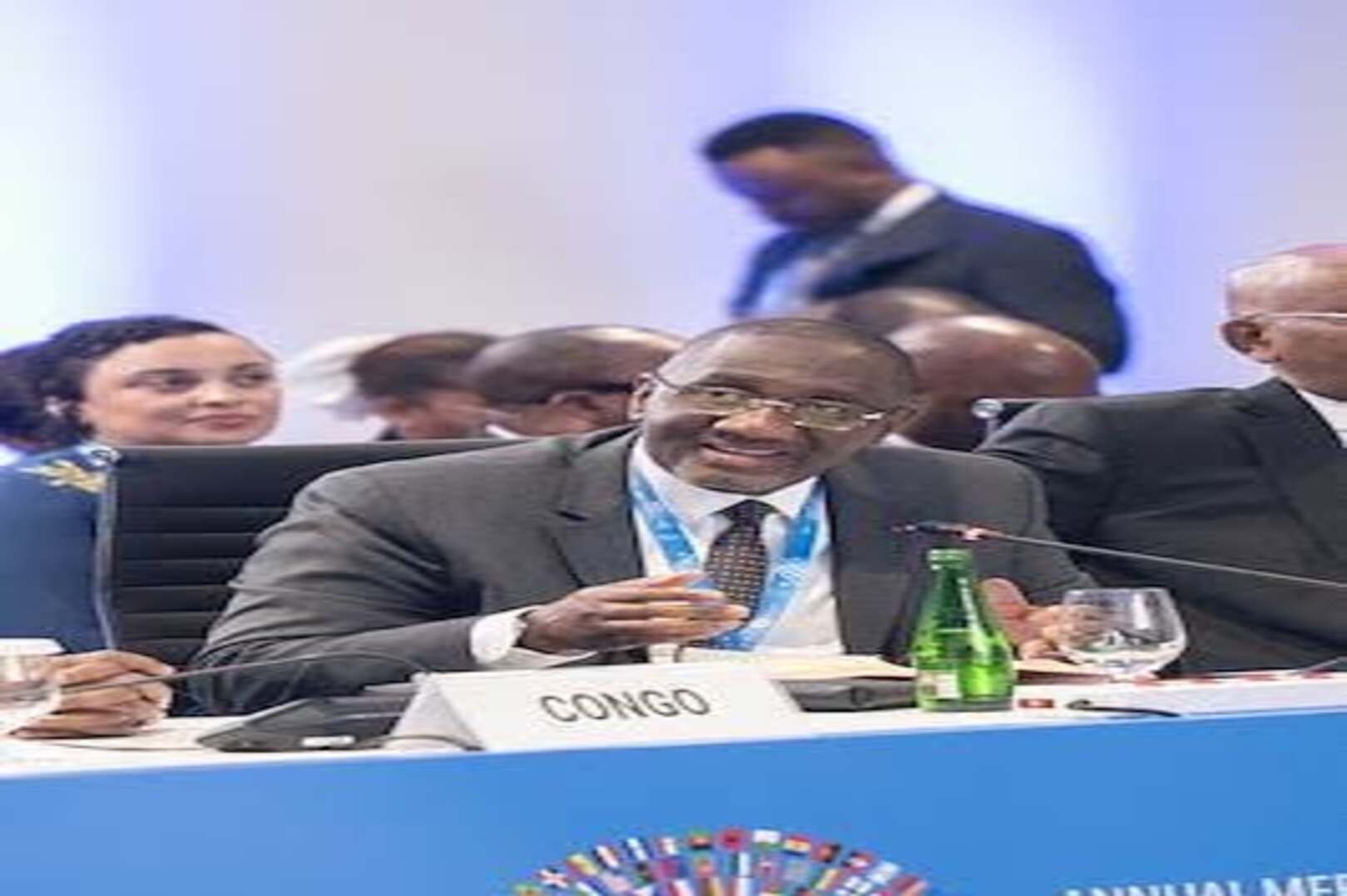
Planning and Development Minister Souleymane Diarrassouba made the appeal on Wednesday during a meeting of the Africa Group II constituency in Bangkok, held on the sidelines of the annual meetings of the World Bank Group and the International Monetary Fund.
The meeting, chaired by Gabon’s Minister of Planning and Foresight, Louise Pierrette Mvono, focused on the institution’s governance, financial interventions and the development challenges facing African economies.
Diarrassouba welcomed structural reforms undertaken by the World Bank Group and highlighted the $17 billion in financing commitments announced in July to support Côte d’Ivoire’s 2026–2030 National Development Plan (PND).
The commitments comprise $10 billion from the World Bank, $5 billion from the International Finance Corporation (IFC), which supports private-sector development, and $2 billion in investment-risk guarantees from the Multilateral Investment Guarantee Agency (MIGA).
The Ivorian government and the World Bank have begun identifying projects within the national development plan that could benefit from the financing. The commitments represent planned support, rather than funds already fully disbursed.
Diarrassouba also proposed sharing Côte d’Ivoire’s experience with a €400 million debt refinancing operation supported by a World Bank guarantee. The transaction enabled the country to replace more expensive commercial debt with more favourable financing conditions, generating savings to support education infrastructure.
According to a World Bank case study, the operation was designed to help fund the construction of 33 additional schools serving around 30,000 students.
During the meeting, governors recommended that the World Bank place greater emphasis on employment creation, manufacturing development and support for the private sector.
The discussions come as African economies face pressure to finance infrastructure and social services while managing debt costs and attracting investment. The World Bank has increasingly sought to mobilise private capital alongside public financing to support development projects.
The annual meetings of the World Bank Group and the IMF are taking place in Bangkok from October 12 to 18, bringing together government officials, central bankers and development partners to discuss global economic challenges and financing priorities.