

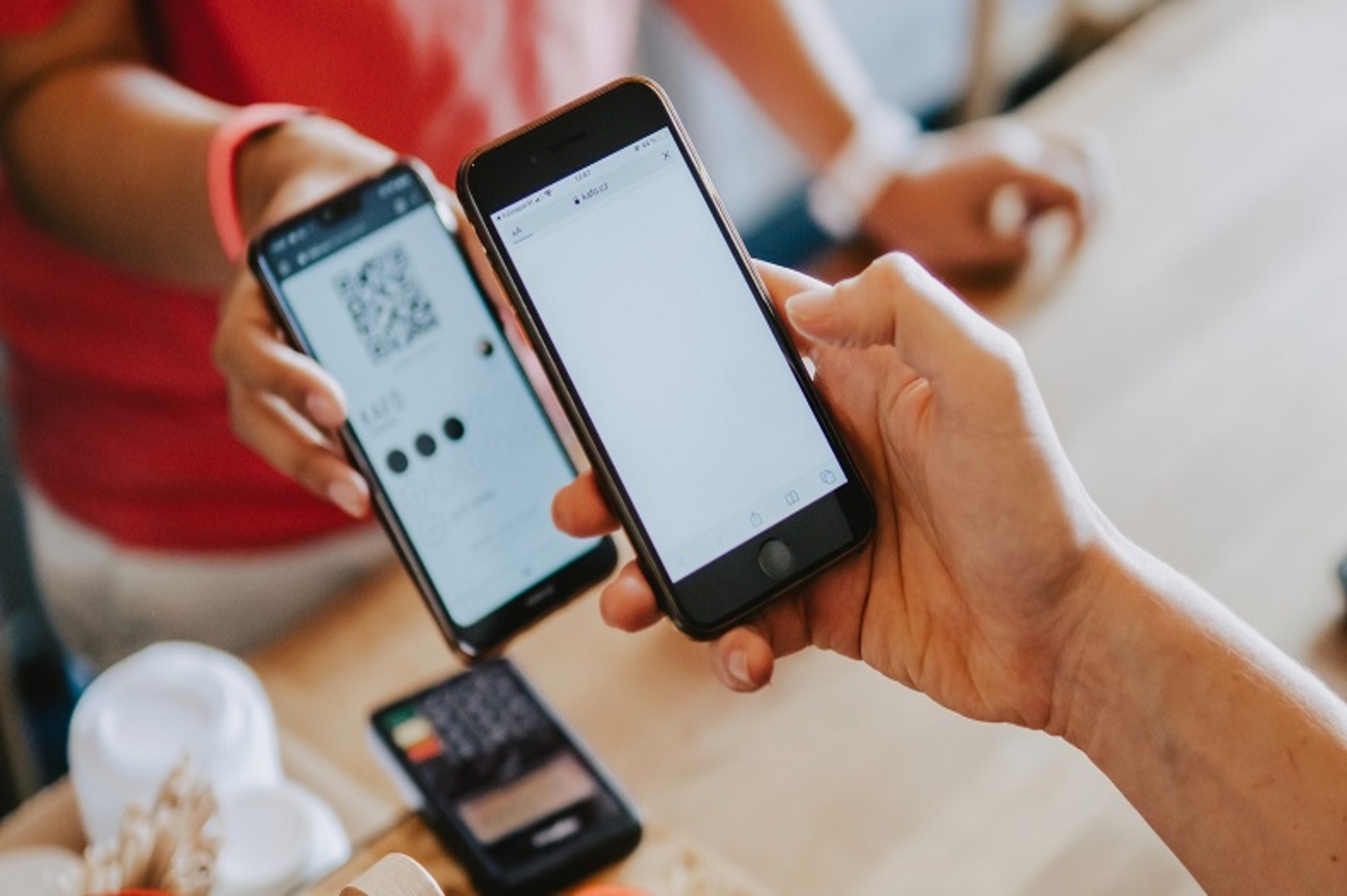
Côte d’Ivoire is undergoing a rapid transformation of its financial landscape, driven largely by the expansion of mobile money. But behind the strong growth in digital payments lies a clear contrast: access to financial services has expanded much faster than the use of formal savings and credit.
Data from the World Bank’s Global Findex 2025, based on a survey conducted in Côte d’Ivoire in 2024, highlights the growing importance of mobile money. According to the survey, 60.5% of adults reported having a mobile money account.
Mobile money has become more than a simple tool for sending and receiving funds. It allows millions of people to make payments, transfer money and store funds without necessarily having a traditional bank account.
The trend is also reflected in savings behaviour. In 2024, 51.7% of respondents said they had saved or set aside money using a mobile money account during the previous 12 months.
But digital savings do not necessarily translate into deeper integration with the formal financial system.
Access to credit remains one of the biggest challenges. A significant share of household borrowing continues to rely on family members, friends and other informal channels, while borrowing from banks and other formal financial institutions remains much less common.
The result is a form of two-speed financial inclusion. Ivorian consumers are increasingly using digital tools for everyday transactions, but the transition toward more sophisticated financial products — including bank savings, credit, insurance and investment — remains slower.
The trend is not unique to Côte d’Ivoire. Across several African economies, mobile money has helped overcome some of the limitations of traditional banking networks by bringing basic financial services closer to populations that previously had limited access.
In Côte d’Ivoire, authorities are now seeking to turn widespread digital usage into broader financial inclusion. The country’s financial inclusion strategy, supported by the West African Economic and Monetary Union’s central bank, the BCEAO, focuses on expanding access to a wider range of affordable financial services.
The challenge is therefore shifting. It is no longer simply about encouraging people to adopt mobile money — the technology is already deeply embedded in everyday economic activity. The next challenge is to build a stronger bridge between digital wallets and formal financial services.
The potential is significant. Mobile money has already become an important entry point into the financial system, particularly for people who remain underserved by traditional banks.
For banks, fintech companies and telecom operators, this creates both an opportunity and a challenge. Digital transaction histories could help financial institutions develop new products and improve access to credit, provided that risk assessment, consumer protection and data privacy mechanisms keep pace with the expansion of digital finance.
Côte d’Ivoire has made significant progress in bringing financial services to more people through mobile technology. The next stage will be to ensure that the same digital infrastructure can help consumers save more securely, access responsible credit and finance businesses and household investment.
The country has largely won the first battle of the financial inclusion revolution: access. The next one is turning access into meaningful financial opportunity.