

Artificial intelligence could play a growing role in addressing Africa’s agricultural challenges, as researchers and policymakers examine ways to improve productivity and strengthen food security across the continent.
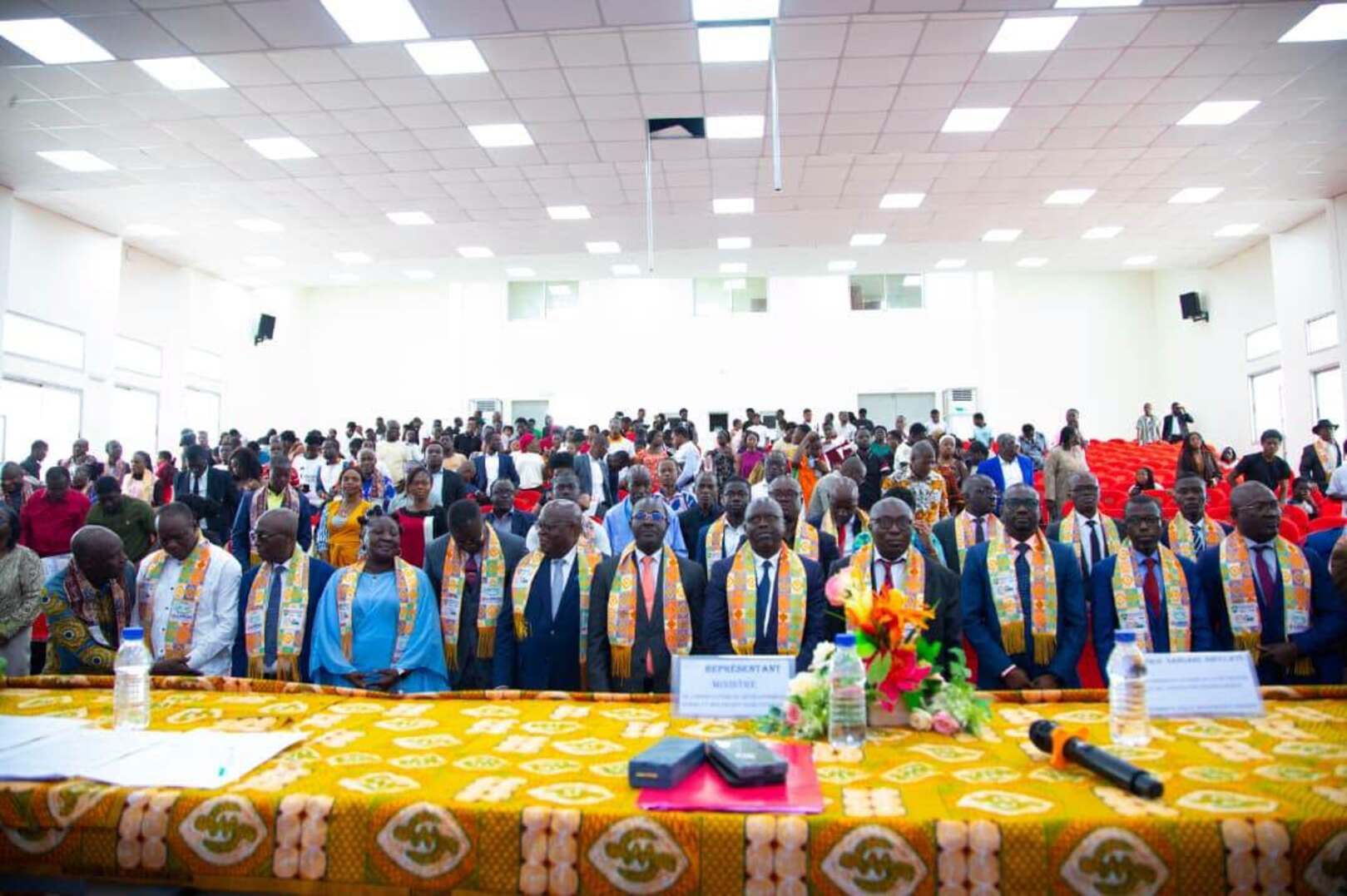
The issue was at the center of an international symposium held from November 5 to 7, 2026, at Félix Houphouët-Boigny University in Abidjan, Côte d’Ivoire.
Organized by the Laboratory for Research in Social Sciences (LARESS), the second edition of the symposium focused on the theme “Artificial Intelligence, Agrarian Systems and Sustainable Development in Africa: Back to the Future, Science and Culture.”
Agriculture Minister Bruno Nabagné Koné, patron of the event, was represented by Professor Téhua Pascal Kouassi Angui, Director General of Agricultural Production and Food Security.
Discussions examined how artificial intelligence could help improve farming practices, increase agricultural productivity and strengthen food security. Participants also highlighted the need to adapt technological innovation to Africa’s agricultural realities.
The debate comes amid growing concerns over the continent’s capacity to feed its rapidly expanding population. At the opening of the symposium, scientific committee chairman Professor Nassa Dabié Désiré Axel pointed to projections that the global population could exceed 9 billion by 2050, including approximately 2.5 billion people in Africa.
He raised questions about future food production, available resources and the conditions needed to sustain agricultural systems.
The Ivorian Agriculture Ministry said it intends to strengthen links between scientific research, technological innovation and agricultural policy to support the development of a modern, sustainable and resilient agricultural sector.
The discussions reflect a broader effort to explore how digital technologies can contribute to transforming African agriculture and addressing long-term food security challenges.