

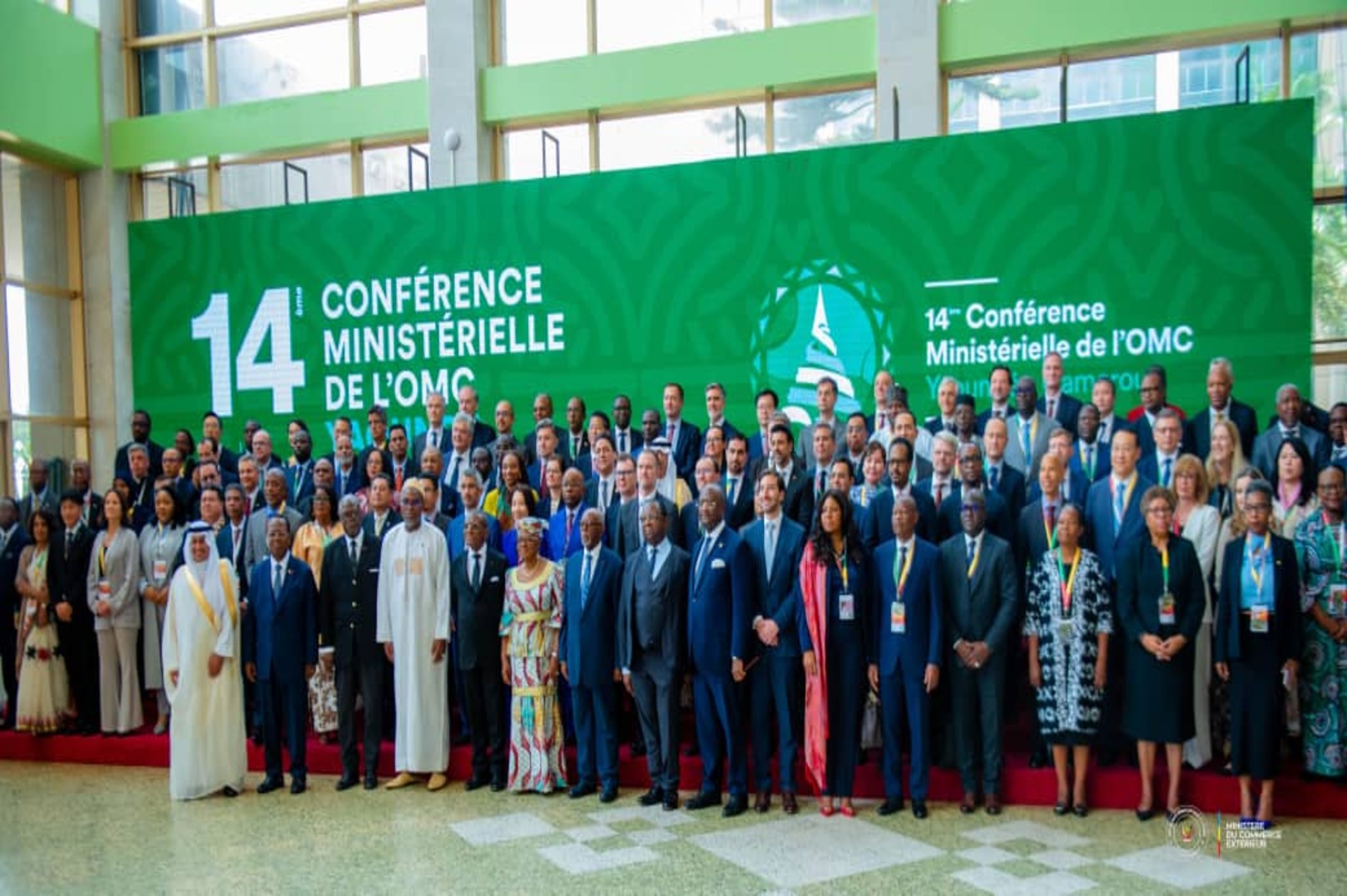
The 14th Ministerial Conference of the World Trade Organization (WTO), held from March 26 to 29, 2026, in Yaoundé, Cameroon, concluded without consensus on the extension of the moratorium on customs duties for e-commerce, one of the most sensitive issues on the agenda.
The moratorium, in place since 1998 and regularly renewed, prevents WTO members from imposing tariffs on electronic transmissions such as downloads, streaming services, and software. According to officials present in Yaoundé, the moratorium officially expired at the close of the conference after negotiations failed.
Discussions broke down over the duration and terms of the extension. Some developed countries advocated for a long-term or permanent extension, citing the importance of tariff-free digital trade for global growth. Others, including several developing countries, opposed this, arguing that it limits national flexibility on digital taxation and revenue collection.
WTO Director-General Ngozi Okonjo-Iweala confirmed that the moratorium had expired and expressed hope that members could reach an agreement in future discussions.
Other issues, including institutional reforms aimed at modernizing the WTO, made some progress in drafting texts, but no major agreements were finalized before the conference ended.
In conclusion, the WTO ministerial conference in Yaoundé ended without an agreement to extend the e-commerce duty moratorium, which officially expired, while negotiations will continue to prevent fragmentation of global digital trade.