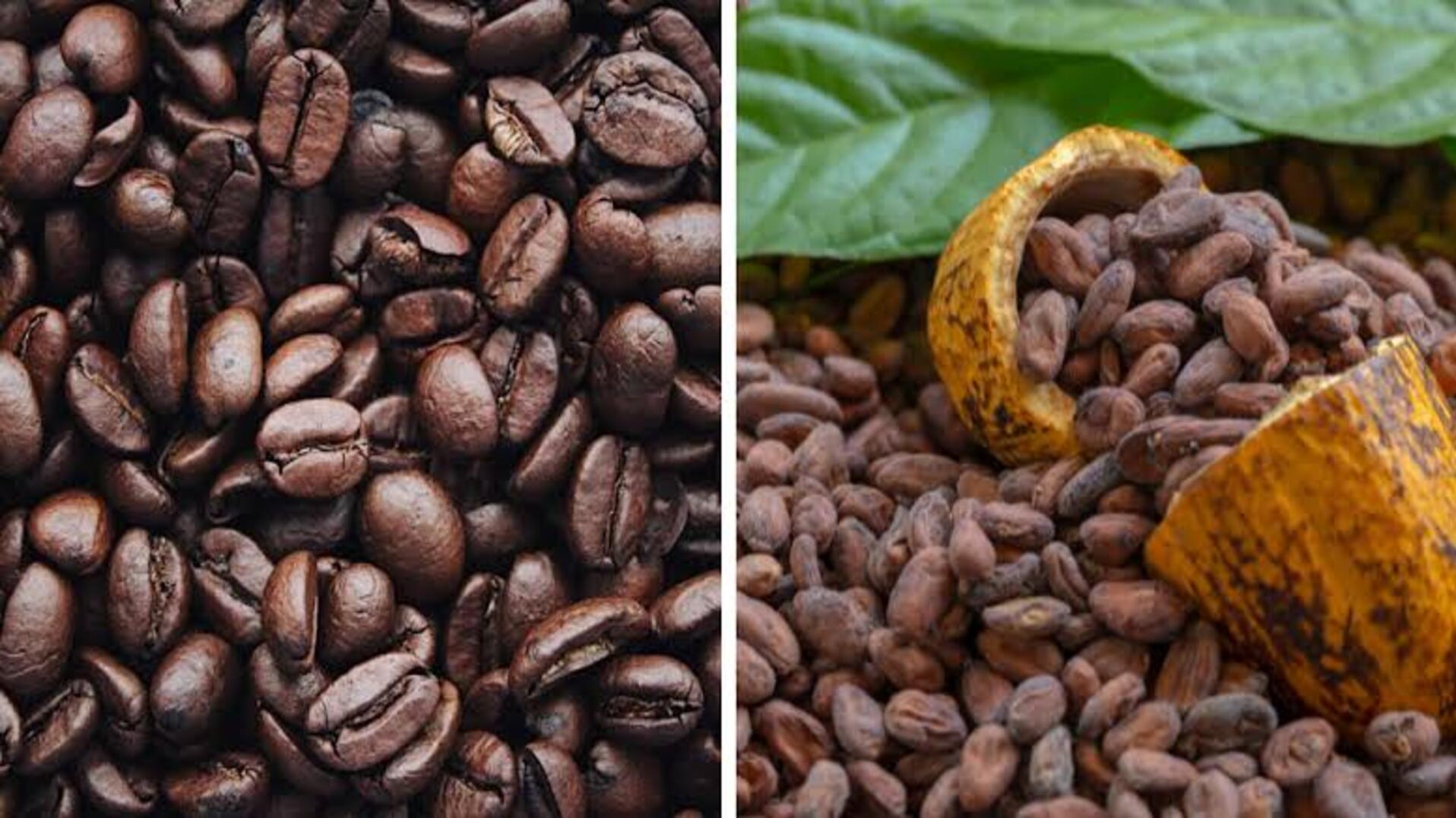
Côte d’Ivoire sets cocoa price at 1,200 CFA francs per kg for 2026–2027 season
Côte d’Ivoire has set the farmgate price for cocoa at 1,200 CFA francs ($2.1) per kilogram for the 2026–2027 marketing season, maintaining the reduced price introduced earlier this year as global cocoa prices retreated from record highs.
The announcement was made on Tuesday, September 1, by Agriculture Minister Bruno Nabagné Koné during the opening of the 10th National Cocoa and Chocolate Days in Abidjan.
The government also announced a farmgate price of 1,300 CFA francs per kilogram for coffee for the new season, according to Abidjan.net.
The cocoa price is well below the record 2,800 CFA francs per kg paid to farmers at the start of the 2025–2026 main crop. The government later reduced the guaranteed price to 1,200 CFA francs in March as international cocoa prices fell sharply.
The new cocoa price was set within a range of 1,200 to 1,500 CFA francs proposed by the Coffee and Cocoa Council, based on forward sales carried out between March and June, according to the report.
The decision comes as Côte d’Ivoire, the world’s largest cocoa producer, enters a new season facing several challenges.
The 2026–2027 main crop is expected to arrive later than usual, with difficult weather conditions, insufficient farm maintenance and a strong mid-crop delaying the start of the main harvest. Reuters reported that the delay could push significant volumes toward the end of the year, putting pressure on storage and port capacity in Abidjan and San Pedro.
The Coffee and Cocoa Council expects the main crop to reach around 1.4 million tonnes through February 2027, while exporters estimate production between 1.4 million and 1.45 million tonnes.
The new campaign also begins as Côte d’Ivoire strengthens traceability across its cocoa supply chain, amid stricter international requirements on deforestation and sustainable sourcing.
For millions of people whose livelihoods depend on cocoa, the 1,200 CFA franc price will be closely watched throughout the season as farmers balance production costs, weather risks and changing global market conditions.