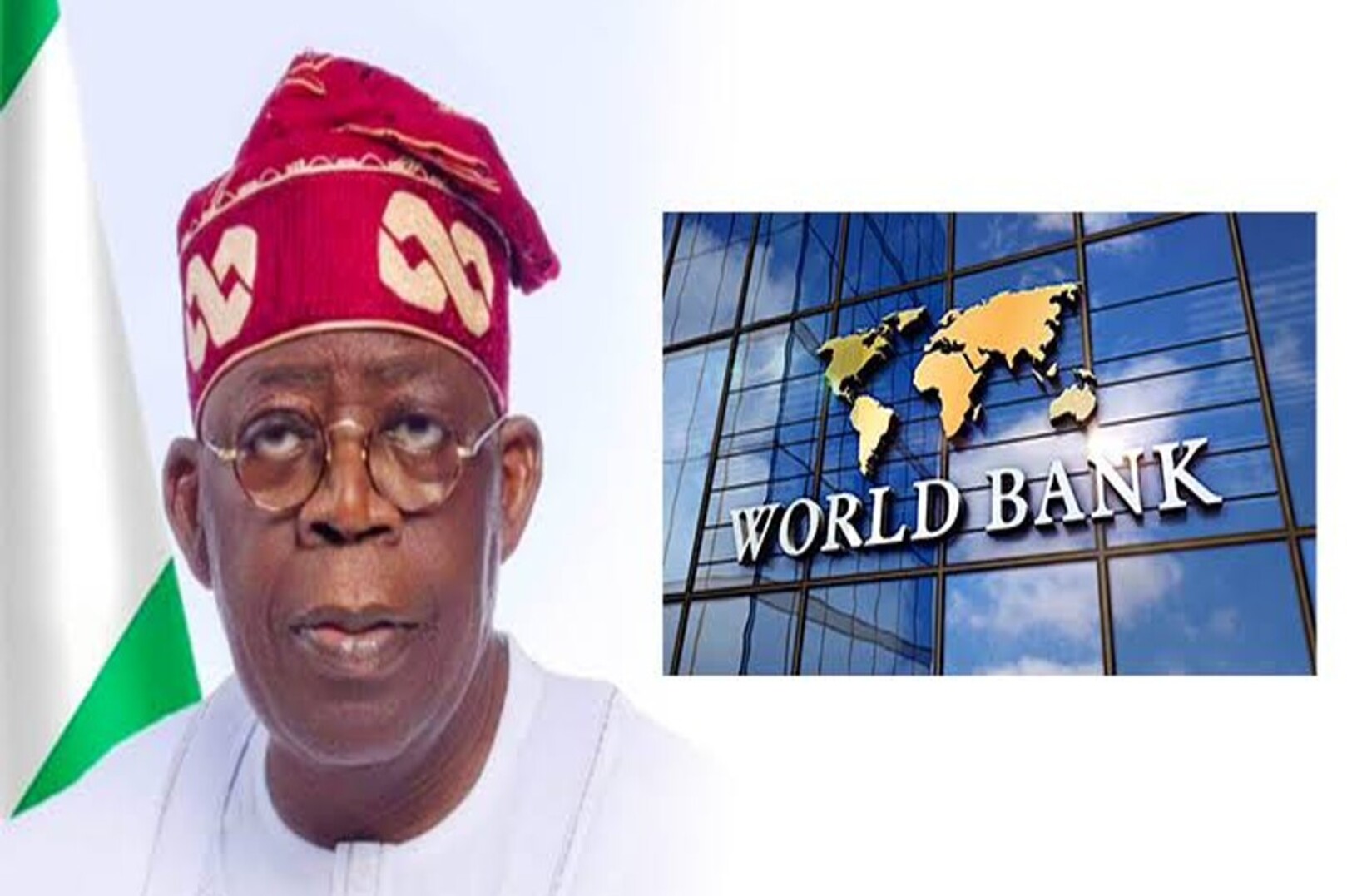
Nigeria has secured the cancellation of more than $717 million in undisbursed World Bank financing allocated to the country’s energy sector, according to documents reviewed by several African business media outlets.
The decision, reached by mutual agreement with the World Bank, brings an early end to a broader energy reform program initially valued at $1.52 billion and originally scheduled to run until 2027. The project’s closing date has now been moved forward to May 2026.
The program was designed to support reforms in Nigeria’s electricity sector, which has long struggled with chronic power shortages, weak distribution capacity, and mounting debt owed to electricity producers.
According to the cited documents, the first phase of the financing was largely utilized, with nearly 95% of the funds disbursed. However, the second phase approved in 2023 reportedly saw very limited implementation, with less than 10% of the resources effectively used.
The restructuring comes amid significant economic turbulence in Nigeria following reforms introduced by President Bola Tinubu since taking office. The liberalization of the foreign exchange market and the gradual removal of certain subsidies triggered a sharp depreciation of the naira, significantly increasing operational costs across the energy sector.
Nigerian electricity companies continue to face rising gas costs the country’s primary fuel for power generation while consumer electricity tariffs remain partially subsidized.
This combination has further deepened the sector’s financial strain, already considered one of the main obstacles to economic growth in Africa’s most populous nation.
Neither the Nigerian government nor the World Bank has, so far, issued a detailed official statement confirming the exact terms of the cancellation. However, several sources familiar with the matter say the move is intended to reassess financing priorities and adapt reforms to the country’s new macroeconomic realities.
Nigeria remains one of the largest recipients of World Bank financing in sub-Saharan Africa, with multiple ongoing programs in infrastructure, agriculture, education, and energy transition.