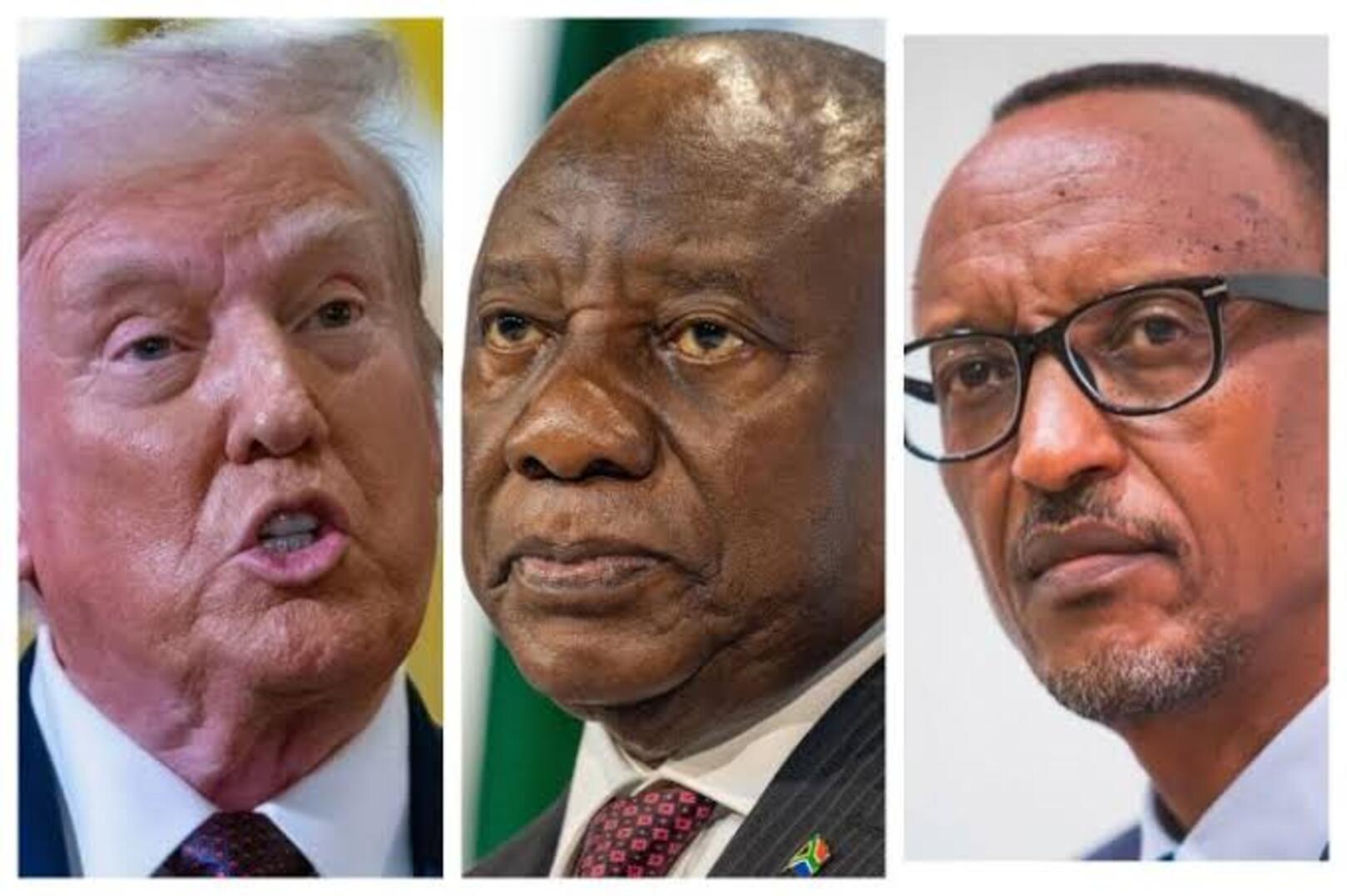
The United States plans to withdraw South Africa and Rwanda from the African Growth and Opportunity Act (AGOA), a trade programme that grants eligible African countries duty-free access to the American market. The measure is expected to take effect on January 1, 2027, according to an announcement by the Office of the U.S. Trade Representative on November 2.
U.S. Trade Representative Jamieson Greer said President Donald Trump had notified Congress and the governments of both countries of his intention to terminate their eligibility under the programme. The proposed measure has not yet taken effect.
Washington argues that the two countries have engaged in practices inconsistent with AGOA’s eligibility requirements, citing concerns over trade and investment barriers, as well as issues relating to U.S. national security and foreign policy interests.
South Africa faces significant trade implications
South Africa is particularly exposed because of its industrial and agricultural exports to the United States. Its AGOA shipments were valued at approximately $1.7 billion in 2025, including vehicles and automotive components, citrus products and wine.
The announcement comes amid strained relations between Washington and Pretoria. Disagreements have included South Africa’s foreign policy, its land reform programme and its economic empowerment policies. The Trump administration has also made allegations concerning the treatment of white South Africans, which the South African government rejects.
Pretoria has said it remains open to dialogue with Washington while preparing to support affected industries and explore alternative markets.
Rwanda also faces the prospect of losing trade preferences
For Rwanda, the announcement comes after Washington imposed a partial suspension of certain AGOA benefits in 2018, targeting apparel exports. The new proposal would extend the loss of preferential access beyond that sector.
The United States has raised concerns about trade and investment conditions, human rights and regional security. Relations have also been affected by accusations that Rwanda supports the M23 armed group in eastern Democratic Republic of Congo, allegations Kigali denies.
What the decision means for African trade
Enacted in 2000, AGOA provides eligible sub-Saharan African countries with duty-free access to the U.S. market for thousands of products. The programme is conditional on meeting requirements related to governance, the rule of law, human rights and the removal of barriers to American trade and investment.
If the proposed withdrawals take effect, South African and Rwandan products will no longer benefit from AGOA preferences. They could still be exported to the United States, but would generally be subject to the applicable normal customs duties.
The move highlights the vulnerability of African exporters to changes in U.S. trade policy and could encourage both countries to strengthen commercial ties with other markets. Washington has indicated that eligibility could be reconsidered if the countries address its concerns.
Sources: U.S. Trade Representative, Reuters and Associated Press.