

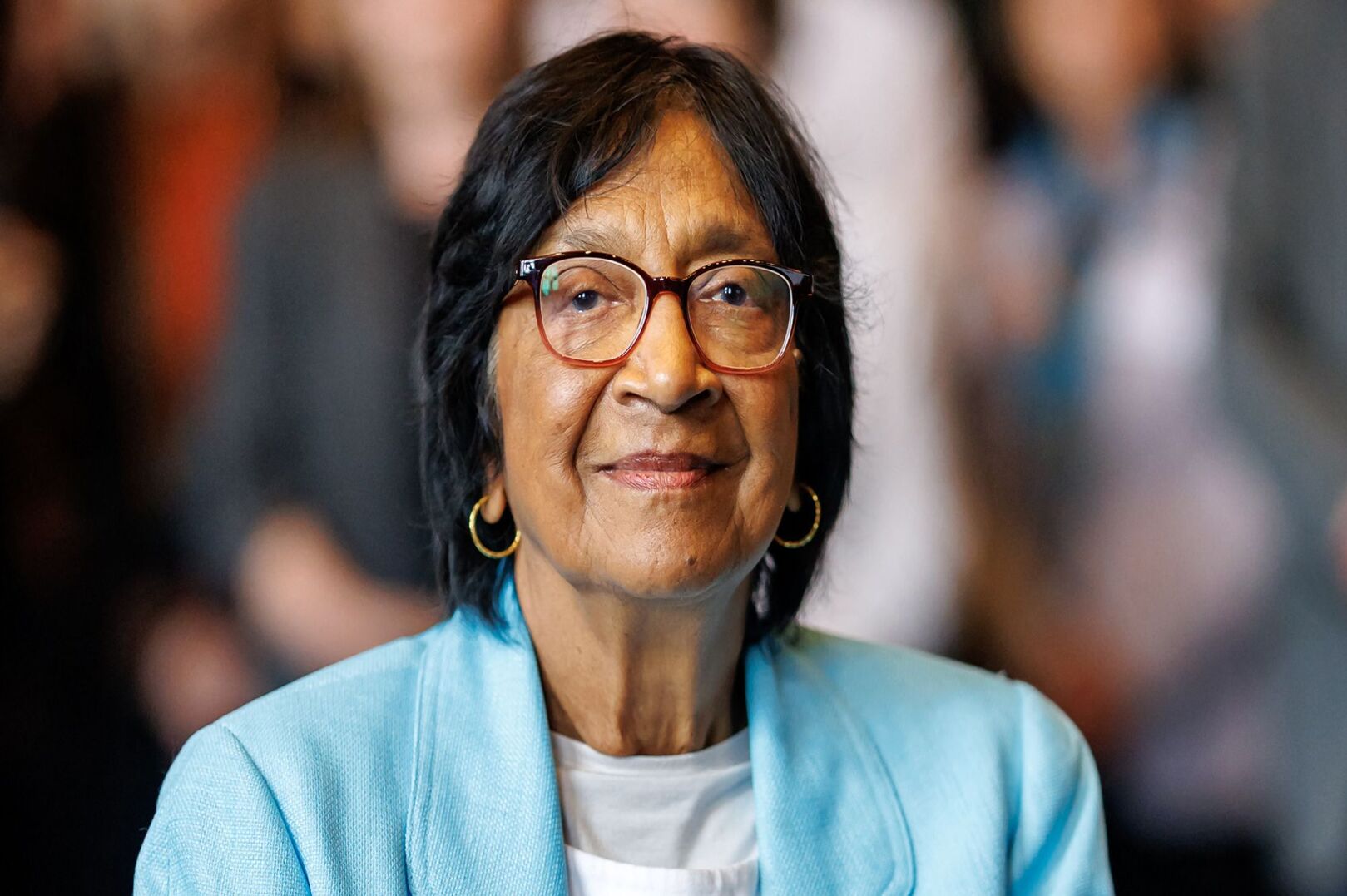
South African jurist and human rights advocate Navanethem “Navi” Pillay has been awarded the 2026 Nobel Peace Prize for her efforts to promote peace and international law, recognising a career spanning the struggle against apartheid and senior roles in the global justice system.
The Norwegian Nobel Committee recognised Pillay, 85, for her work defending human rights and strengthening international legal institutions at a time when the international rule of law faces growing pressure. The award places a spotlight on her decades-long efforts to hold perpetrators of serious crimes accountable and protect the rights of vulnerable people.
Born in Durban in 1941 to a family of Indian Tamil descent, Pillay grew up under South Africa’s apartheid system, which enforced racial segregation and discrimination. She became a lawyer in 1967 and was the first woman to establish a law practice in the province of Natal, now KwaZulu-Natal. During her legal career, she represented anti-apartheid activists and challenged abuses against political detainees.
After the end of apartheid, Pillay entered the judiciary and became the first non-white woman appointed to South Africa’s High Court. In 1995, she was appointed a judge at the International Criminal Tribunal for Rwanda, where she served for eight years, including four as president.
Her work at the tribunal helped shape international law on sexual violence during conflict. In the landmark trial of former Rwandan mayor Jean-Paul Akayesu, the court recognised that rape and sexual violence could constitute acts of genocide when committed with the required intent. The ruling became a significant development in the prosecution of sexual violence as an international crime.
Pillay later served as a judge at the International Criminal Court before becoming United Nations High Commissioner for Human Rights in 2008, a position she held until 2014. In that role, she advocated for the protection of civil and political rights and pressed governments to address human rights violations.
Her career has also involved contentious international issues. Pillay chaired a United Nations commission of inquiry that concluded in 2025 that Israel had committed genocide in Gaza, a finding rejected by the Israeli government. The commission’s conclusions and the political responses to them have placed her work at the centre of wider disputes over accountability and international law.
The Nobel Peace Prize recognises Pillay’s broader contribution to international justice and the rule of law. Her selection comes amid ongoing debate over the ability of international institutions to investigate alleged abuses and enforce legal standards when powerful states or political leaders oppose their findings.
The prize is scheduled to be presented in Oslo on December 10, the anniversary of the death of Alfred Nobel.
In Côte d'Ivoire, an independent digital media outlet established in 2020, has embarked on a mission to break down the language barrier that has deprived individuals and entire countries of access to information about Côte d'Ivoire.
Copyright © In Côte d'Ivoire. All Rights Develop by Ingénieux Digital