Côte d'Ivoire adopts decree regulating entire downstream oil chain, including biofuels
Côte d'Ivoire's government has adopted a decree setting the conditions for importing, exporting, processing, storing, transporting, distributing and analysing petroleum products and biofuels, government spokesperson Amadou Coulibaly said after a cabinet meeting held on Wednesday at the presidential palace in Abidjan-Plateau.
Issued under a July 30, 1992 law on fraud in petroleum products and breaches of technical safety requirements, the text is aimed at strengthening the regulatory framework for the country's downstream oil sector. "This decree aims to strengthen the regulatory framework of the downstream oil sector by taking into account the entire value chain, including biofuels, and the fight against fraud in its various forms," Coulibaly said.
The decree clarifies the sector's technical terms, lists the activities that require prior authorisation from the government department in charge of hydrocarbons, and sets general and specific conditions for carrying them out.
It also lays out the conditions for building, commissioning, upgrading, expanding, closing and dismantling depots, facilities, quays, terminals, pipelines and transport vehicles for petroleum products and biofuels, with a view to protecting the environment and public health, the spokesperson said.
The government did not say what penalties the decree provides for, when it takes effect, or how long existing operators will have to comply.
The announcement comes amid pressure on global crude prices. Pump prices, capped monthly by the Directorate General of Hydrocarbons under an automatic pricing mechanism, were raised on Aug. 1: a litre of unleaded petrol rose by 30 CFA francs to 905 francs, and diesel by 25 francs to 725 francs. They were held steady in September.
The state spent nearly 200 billion CFA francs to cushion the increase, according to the Ivorian news agency AIP. Authorities stress that the country remains a modest producer, with capacity of about 75,000 barrels per day, which is not enough to durably offset swings in world markets.
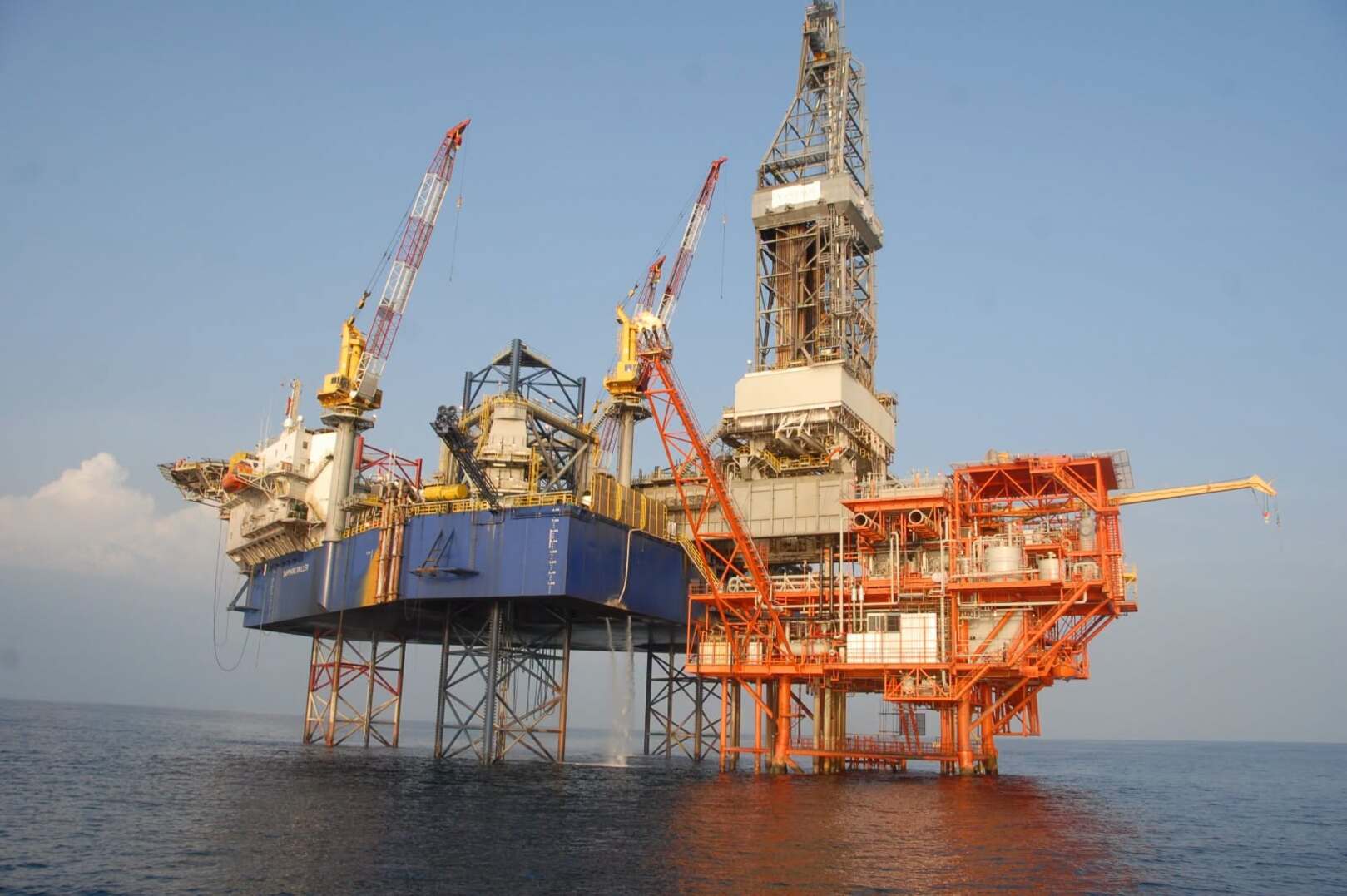
Côte d'Ivoire has produced crude since the offshore Baleine field started up in 2023, operated by Italy's Eni with state-owned Petroci. The country aims to reach 200,000 barrels per day by 2028. The government and the consortium took a final investment decision in late May on the third phase of Baleine, worth $4 billion.