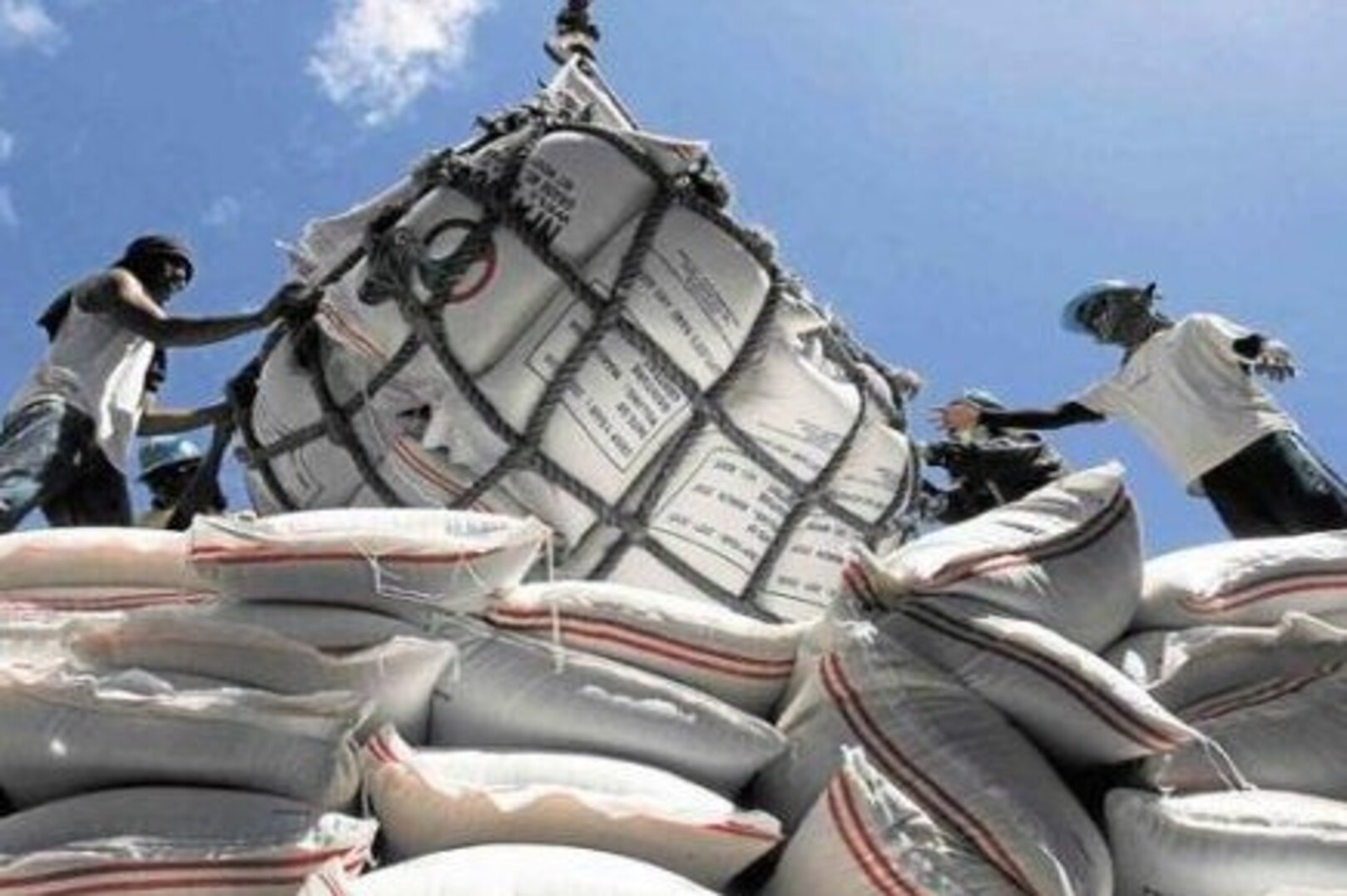
Côte d’Ivoire: Rice and Fish Imports Cost More Than CFA Francs 1,200 Billion in 2025
Côte d’Ivoire spent more than CFA francs 1,200 billion on rice and fish imports in 2025, highlighting the country's continued reliance on foreign food supplies to meet domestic demand.
The figure, estimated at around CFA francs 1,260 billion, was reported by economic publication Capmad, citing consolidated data attributed to the Ivorian Customs Administration and the National Agency for Statistics (ANStat).
The amount reflects the importance of two staple food products in the country's import bill. Despite efforts to strengthen domestic agricultural and fisheries production, local supply remains insufficient to meet national consumption needs.
Rice is a major component of household food consumption in Côte d’Ivoire. Although the country has sought to increase local production, imports continue to play a significant role in supplying the domestic market.
The fisheries sector faces similar challenges. Domestic catches and aquaculture production have not been sufficient to cover demand, making imported fish, particularly frozen products, an important source of supply.
Food imports continue to rise
According to ANStat, Côte d’Ivoire's total food imports reached CFA francs 2,654.2 billion in 2025, up from CFA francs 2,348.3 billion in 2024, representing an increase of about 13%.
The country's total merchandise imports stood at CFA francs 11,399.6 billion over the same period.
Customs figures for 2024 show that rice imports amounted to CFA francs 609.6 billion, while fresh and other fish imports represented CFA francs 518.5 billion. Together, the two categories accounted for CFA francs 1,128.1 billion that year.
Quarterly trade data for 2025 also indicate substantial imports. During the second quarter, rice imports reached CFA francs 153 billion, while frozen and chilled fish and other fishery products accounted for CFA francs 163.4 billion. In the fourth quarter, the respective figures stood at CFA francs 146.8 billion and CFA francs 160.3 billion.
A challenge for food security
The continued dependence on imported rice and fish exposes Côte d’Ivoire to fluctuations in international prices, transport costs and disruptions in global supply chains.
It also represents a significant outflow of foreign currency and raises questions about the country's ability to increase domestic food production.
Expanding rice cultivation, improving agricultural yields, strengthening storage and processing infrastructure, and investing in fisheries and aquaculture are among the areas that could help reduce reliance on imports.
However, the reported CFA francs 1,260 billion figure should be treated as an estimate attributed to consolidated customs and statistical data. A detailed official annual breakdown confirming the combined 2025 value of rice and fish imports was not available in the sources reviewed.
The figures nevertheless underline the scale of the challenge facing Côte d’Ivoire as it seeks to strengthen food security while meeting the needs of a growing population.