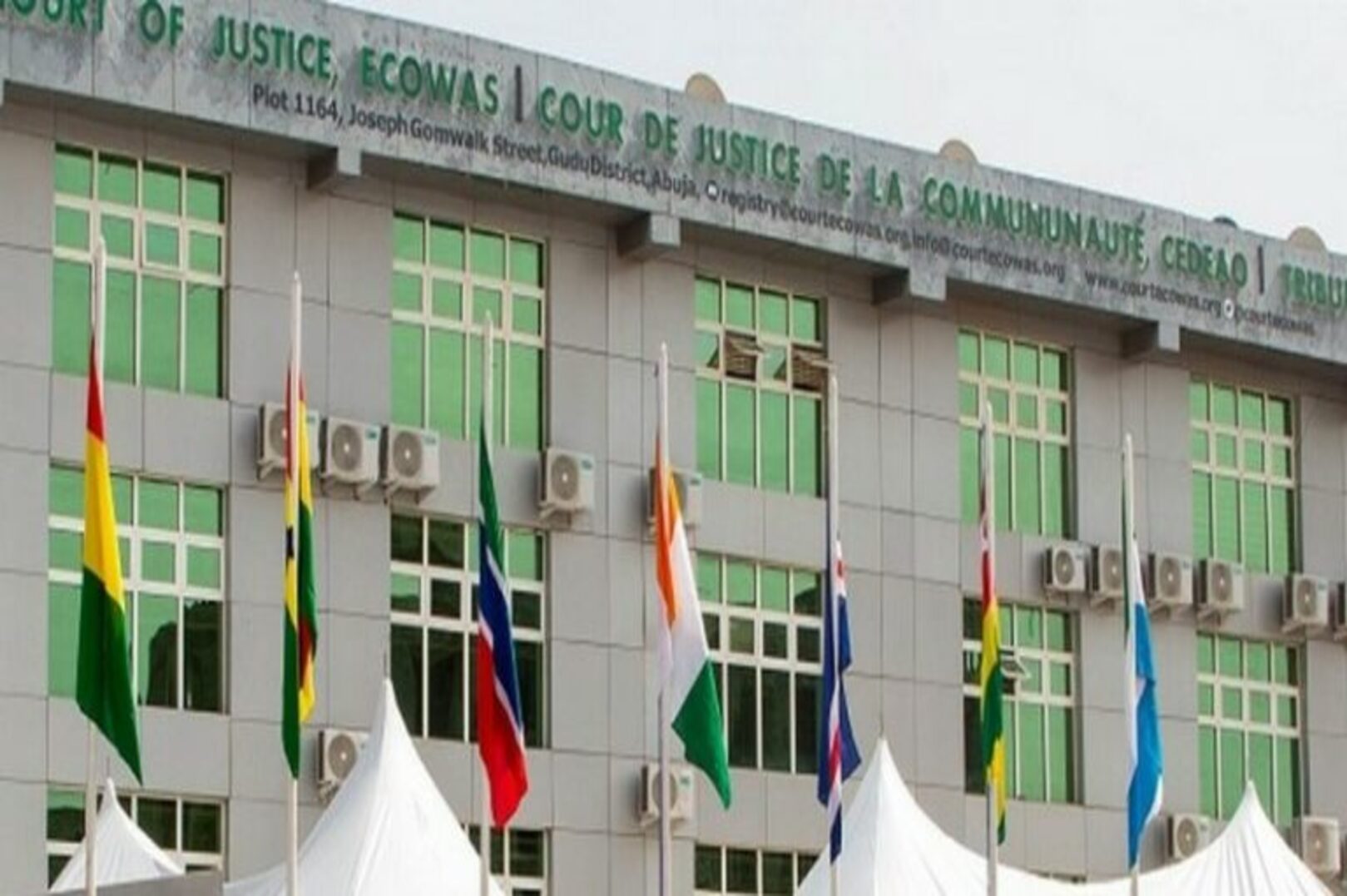
The ECOWAS Court of Justice has been holding a bilateral meeting since February 16, 2026, with Nigeria’s National Competent Authority (NCA) and other stakeholders to review the progress of the enforcement of its judgments. The meeting, which continues until February 18 at the Court’s headquarters in Abuja, is part of activities marking the 50th anniversary of ECOWAS.
The main goal of the meeting is to strengthen cooperation between the Court and national authorities by creating a framework for exchanging best practices and addressing challenges that hinder the effective implementation of the Court’s decisions. Presentations, discussions, and interactive sessions are planned to facilitate in-depth dialogue and improve compliance with the Court’s rulings.
Participants will work on identifying and resolving obstacles to judgment enforcement, developing concrete strategies to increase compliance rates, and fostering a common understanding of existing constraints. Expected outcomes include harmonizing procedures across jurisdictions, strengthening capacities for effective enforcement, and establishing a sustainable collaborative network between the Court and national competent authorities.
The Court’s delegation, led by President Ricardo Cláudio Monteiro Gonçalves and including Vice President Sengu Mohamed Koroma, members of the Court, and senior staff, will also conduct courtesy visits with senior Nigerian officials, including the Minister of State for Foreign Affairs, the Minister of Finance, the Attorney General and Minister of Justice, and the Chief Justice of Nigeria. Meetings are also scheduled with the Executive Secretary of the Nigerian National Human Rights Commission and the President of the Nigerian Bar Association.
This meeting in Nigeria is part of a series of bilateral sessions initially planned across three ECOWAS member states. It follows a first meeting held in Sierra Leone and will be followed by a third meeting in Guinea.
The initiative highlights the Court’s and member states’ commitment to improving the enforcement of judicial decisions and strengthening regional cooperation in support of justice and stability across ECOWAS.

