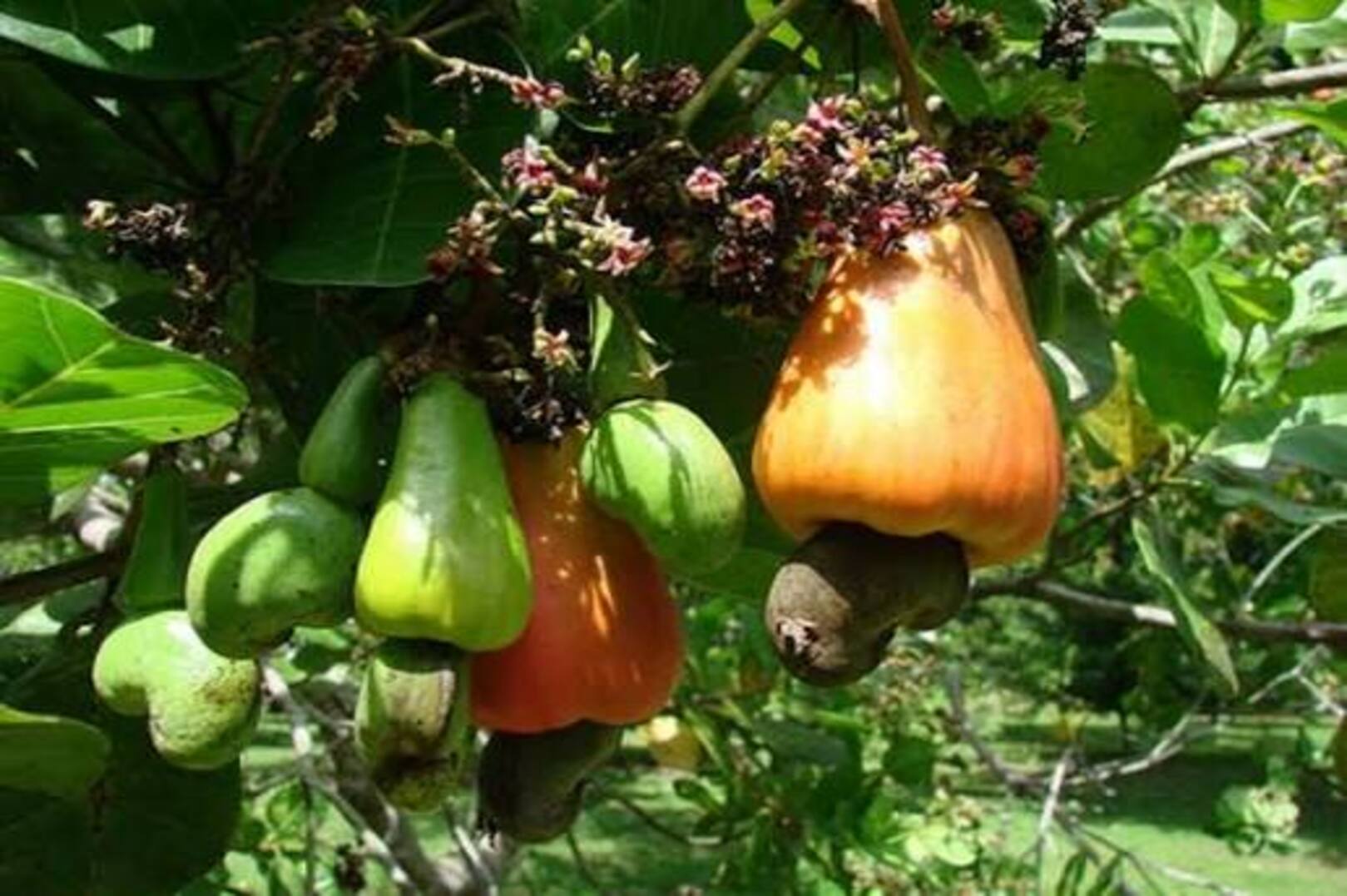
Ghana is planning to restrict raw cashew nut exports during the first three months of each harvesting season and introduce an export tax as part of efforts to strengthen its domestic processing industry.
The proposed measures aim to secure raw material supplies for local factories, increase domestic processing capacity and create more jobs.
The announcement was made on November 16, 2026, by President John Dramani Mahama during the inauguration of the Nadkansco Cashew Processing Limited factory in Techiman, in the Bono East Region.
Under the proposed arrangement, local processors would have priority access to domestically produced cashew nuts during the first three months of each season. Exporters would only be allowed to ship the remaining volumes abroad after local processing requirements had been met.
The government also plans to introduce a tax on raw cashew exports. Revenue generated from the levy would be channelled into a dedicated fund to help local processors finance their purchases of raw materials.
The policy responds to structural challenges facing an industry operating well below its installed capacity. Ghana produces approximately 262,000 tonnes of raw cashew nuts annually. However, industry figures indicate that local processors handled only around 15,000 to 17,000 tonnes in 2025, despite an estimated installed processing capacity of 65,000 tonnes per year.
The inauguration of the Nadkansco facility illustrates the country's industrial ambitions. Financed with 148.4 million Ghanaian cedis from the Ghana EXIM Bank, the factory has an estimated annual processing capacity of approximately 30,000 to 31,000 tonnes. It is expected to create up to 1,500 direct jobs when operating at full capacity.
President Mahama nevertheless identified limited working capital as a major obstacle to industrial expansion. Current financing would allow the factory to operate for only 60 to 80 days. The government therefore intends to strengthen the resources of the Ghana EXIM Bank to help processors purchase and store sufficient raw materials to maintain continuous production.
To support its proposed approach, Mahama pointed to Côte d’Ivoire's experience in promoting local processing, particularly through priority purchasing arrangements for domestic processors and taxation on raw cashew exports.
The initiative forms part of Ghana's broader strategy to retain more value from its agricultural production. Beyond industrial development, Accra aims to create employment, increase domestic economic benefits and reduce dependence on exports of unprocessed commodities.
However, the implementation of the proposed measures will require further clarification, particularly regarding the export tax rate, the financing mechanism and the specific conditions governing the restriction on raw cashew exports.