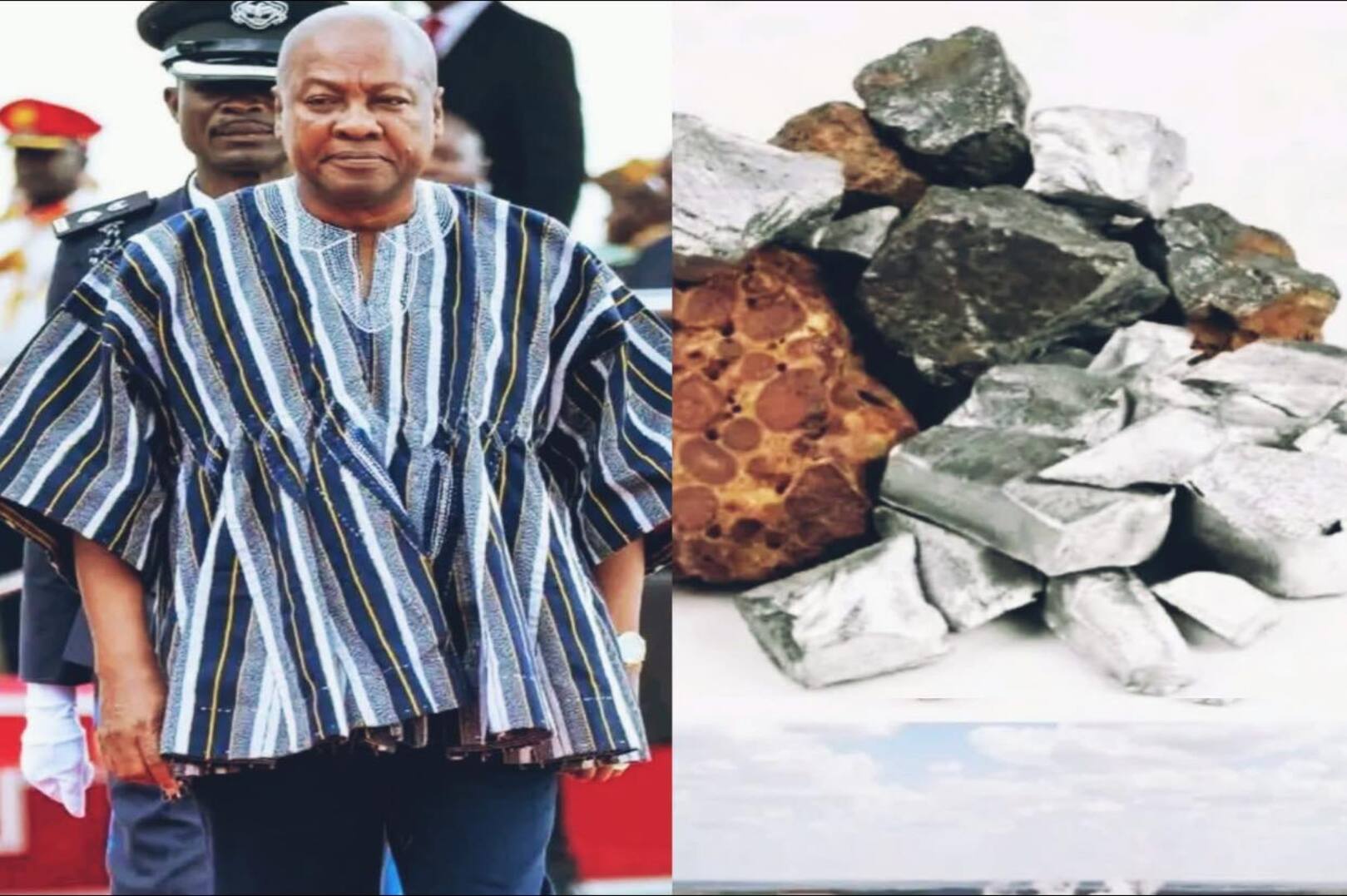
The Ghanaian government has announced a series of measures aimed at strengthening local processing of natural resources and supporting cocoa producers. By 2030, the export of raw minerals will be prohibited, requiring companies to process these resources domestically. This initiative is part of a broader strategy to create jobs and stimulate industrialization.
According to authorities, the policy targets strategic minerals such as bauxite, manganese, and iron. The goal is to increase the added value of these resources within Ghana rather than exporting them unprocessed, while boosting the local economy and industrial competitiveness.
At the same time, the government aims to achieve self-sufficiency in financing cocoa production, supporting local farmers and reducing reliance on foreign funding. This approach is expected to secure farmers’ incomes and strengthen the national cocoa sector.
These measures are part of Ghana’s broader economic ambitions to diversify the economy, develop local industry, and maximize the value of natural resources while supporting key actors in the agricultural sector.
Local experts note that successful implementation will require robust processing infrastructure and strong partnerships between the government and the private sector. The challenge is to turn these initiatives into tangible results in employment, industrial output, and economic growth.

