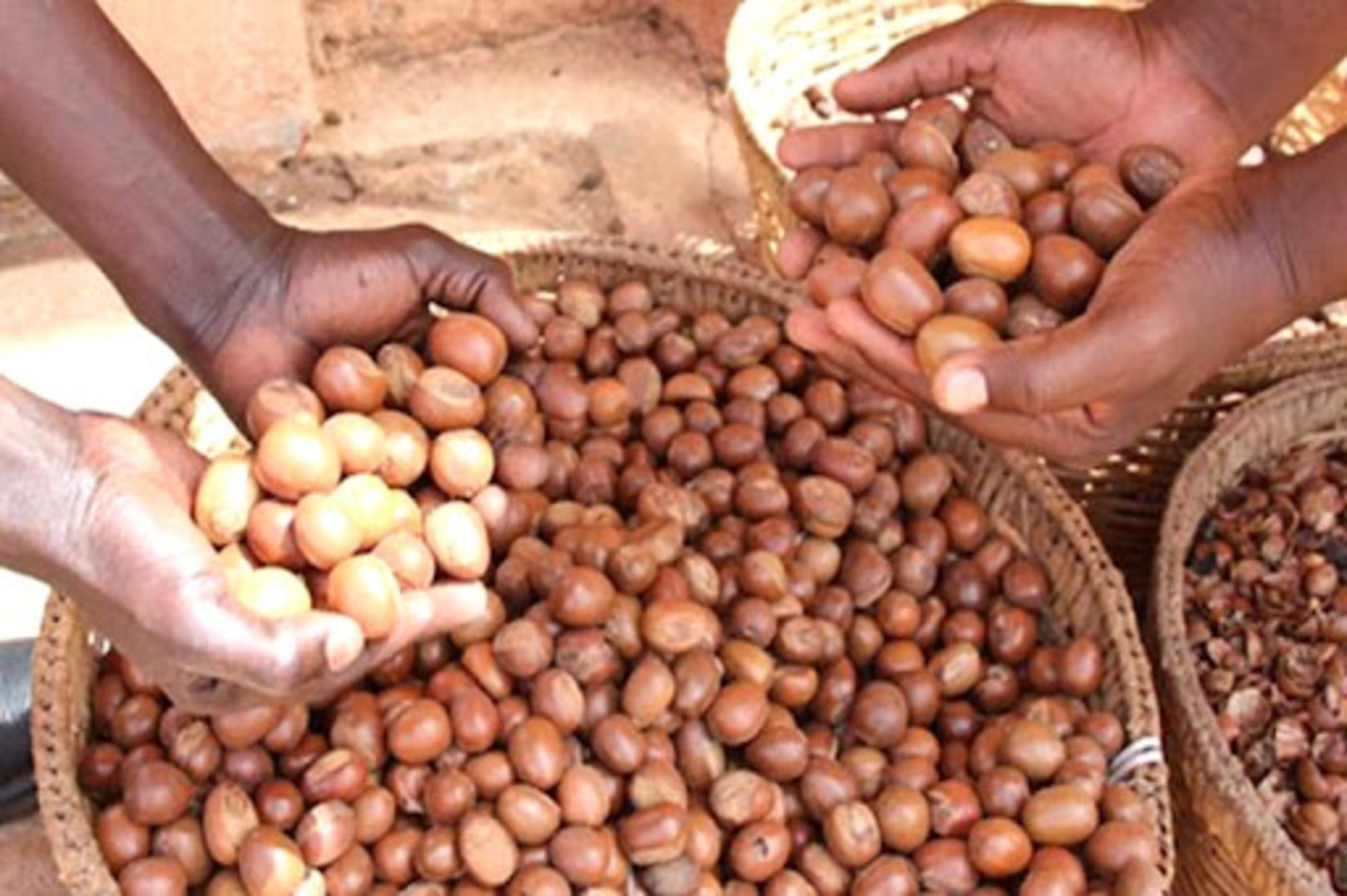
Nigeria has extended by one year its ban on the export of raw shea nuts, a measure aimed at boosting local processing and increasing the share of value captured within the domestic economy.
According to government officials, the extension forms part of a broader economic diversification strategy designed to promote the local production of shea butter and other value-added derivatives used in the cosmetic, food, and pharmaceutical industries. The global shea market is estimated at around $6.5 billion, representing significant potential for producing countries.
Authorities argue that processing shea nuts domestically rather than exporting them in raw form could generate higher export revenues, create jobs, and improve livelihoods in rural communities involved in shea collection and production. The policy seeks to reduce reliance on raw commodity exports in favor of higher-value finished or semi-processed products.
However, some industry stakeholders have raised concerns about the effectiveness of export bans in the absence of sufficient domestic processing capacity. They caution that without adequate infrastructure and investment, the measure could disrupt supply chains and negatively affect small-scale producers and traders.
The extension comes amid wider efforts across Africa to strengthen participation in global value chains by promoting local transformation of natural resources. Its long-term impact will likely depend on Nigeria’s ability to expand industrial capacity and ensure stable market access for processed shea products.

