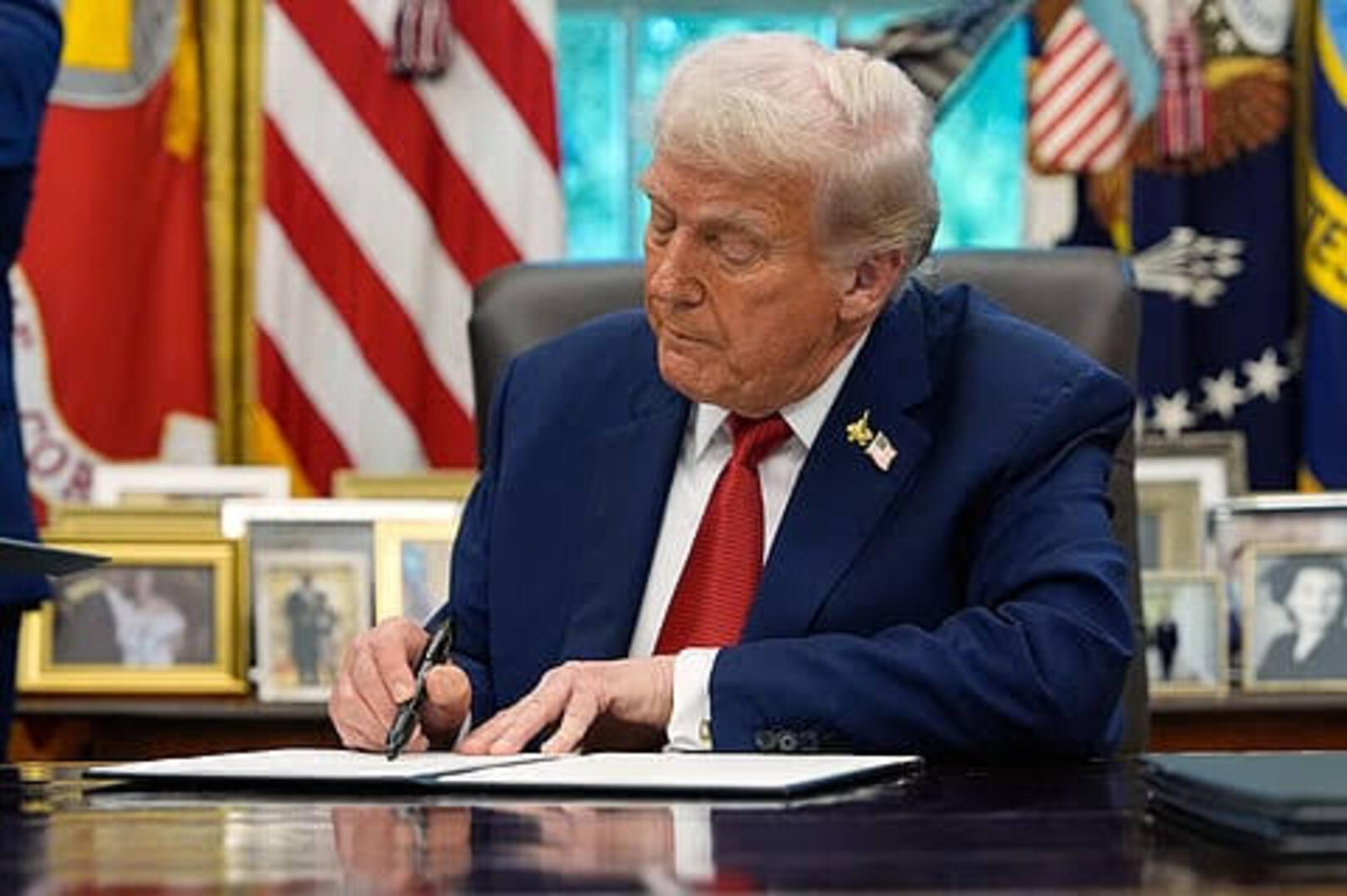
The United States has introduced new tariffs of up to 12.5% on certain imports from seven African countries as part of President Donald Trump’s new trade policy, while granting exemptions for a range of strategic products.
The measures are part of Washington’s broader effort to reshape trade relations and protect domestic industries, with officials emphasizing the need to address what they describe as unfair trade practices.
The new tariffs will affect selected products from several African economies, although the impact will vary depending on the type of goods exported and the exemptions granted by U.S. authorities.
Nigeria and Angola are expected to face limited disruption due to exemptions covering crude oil exports, a key component of their trade relationship with the United States. Both countries are among Africa’s largest oil producers, and energy supplies remain strategically important for Washington.
Other sectors could face greater pressure, particularly industrial products and certain mineral exports. South African diamond exports, along with some manufactured goods, may become more exposed to higher costs and reduced competitiveness in the U.S. market.
Trade analysts say the new tariff regime could create challenges for African exporters seeking to expand access to the United States, particularly for countries relying heavily on commodity exports and manufacturing.
However, the exemptions included in the policy are expected to reduce the impact on strategic supply chains and products considered important for the U.S. economy.
The move comes as Washington continues to review its trade relations with African countries, including the future of preferential access arrangements under the African Growth and Opportunity Act (AGOA), which has supported duty-free access for eligible African exporters to the U.S. market.
For African economies, the new tariffs highlight the growing importance of diversifying export markets and increasing local processing of raw materials to reduce dependence on external trade policies.