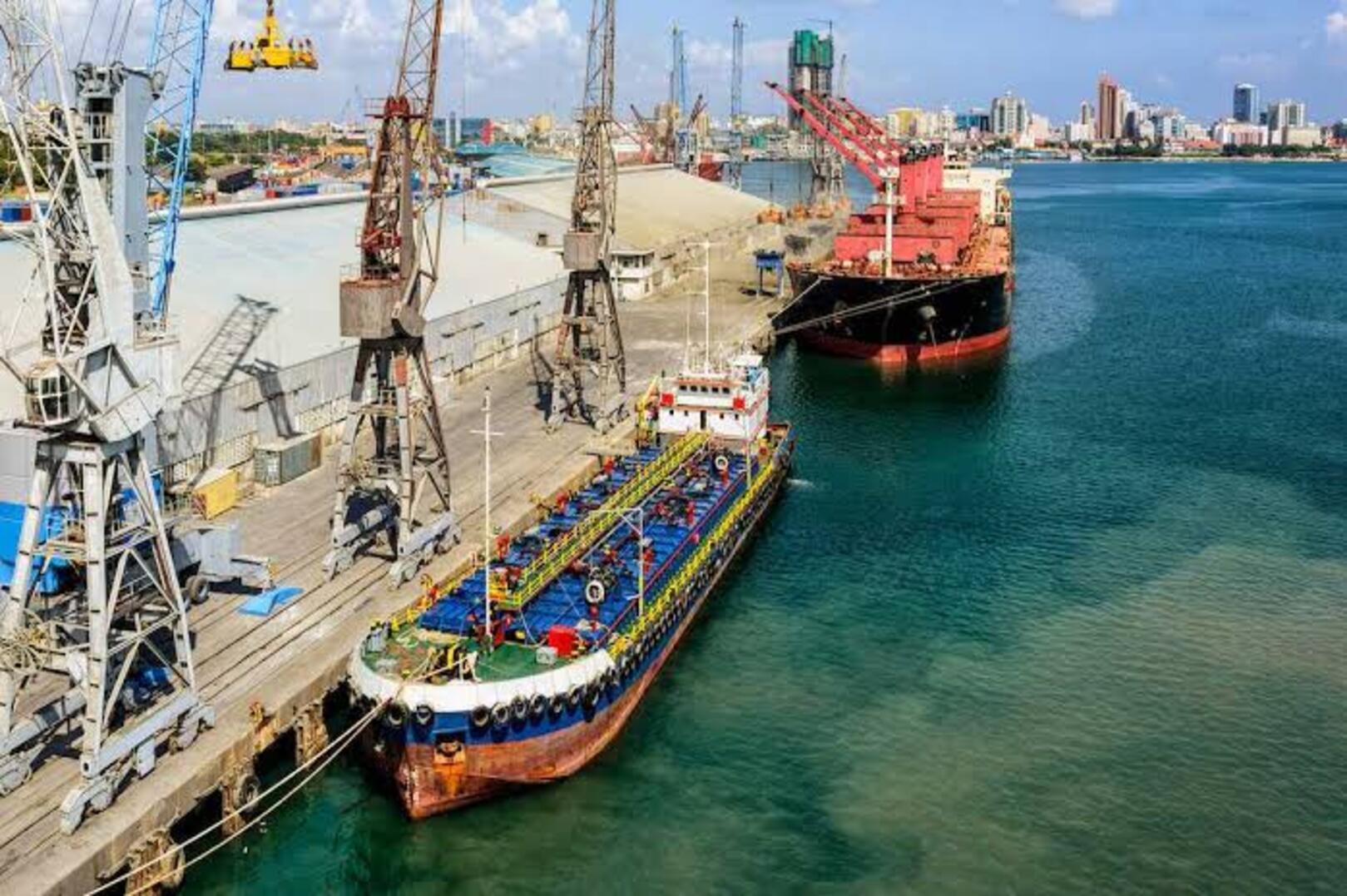
Africa trades, but remains too fragmented to industrialise at scale
Africa’s next economic challenge is not simply to trade more. It is to make its economies work together.
A new World Bank report, “Integrating Africa: From Threads to Hubs”, warns that the continent’s integration potential remains constrained by fragmented customs systems, transport networks, regulations, standards, payment systems, energy infrastructure and digital platforms.
Intra-African trade currently accounts for roughly 15% to 20% of Africa’s total trade. Yet the composition of that trade is significantly more diversified and manufacturing-intensive than Africa’s exports to the rest of the world, which remain heavily concentrated in commodities.
The World Bank identifies an important paradox: many of the obstacles to African integration are not necessarily at the border.
About 60% of estimated trade costs arise from barriers within countries themselves, including customs inefficiencies, logistics problems, transport restrictions, regulatory differences, fragmented standards and weak infrastructure.
That means governments can unlock a significant part of Africa’s integration potential without waiting for new trade negotiations.
The report calls for interoperable customs and payment systems, harmonised standards, better transport corridors, stronger regional power markets and more integrated digital networks.
It also argues that Africa must move from simply connecting markets to connecting production.
Minerals could be processed and manufactured regionally. Agricultural production could feed regional food industries. Renewable energy could support industrial hubs, while digital, financial and professional services could operate across borders.
The potential is significant. The World Bank estimates that deeper liberalisation of transport, telecommunications, financial and professional services could increase intra-African services trade within the AfCFTA area by around 60% to 64% by 2035.
The message is clear: Africa already has a continental free-trade framework. The next step is making it work in practice.
The continent must move from “threads” of trade between neighbouring economies to regional production “hubs” capable of attracting investment, creating jobs and building globally competitive African industries.