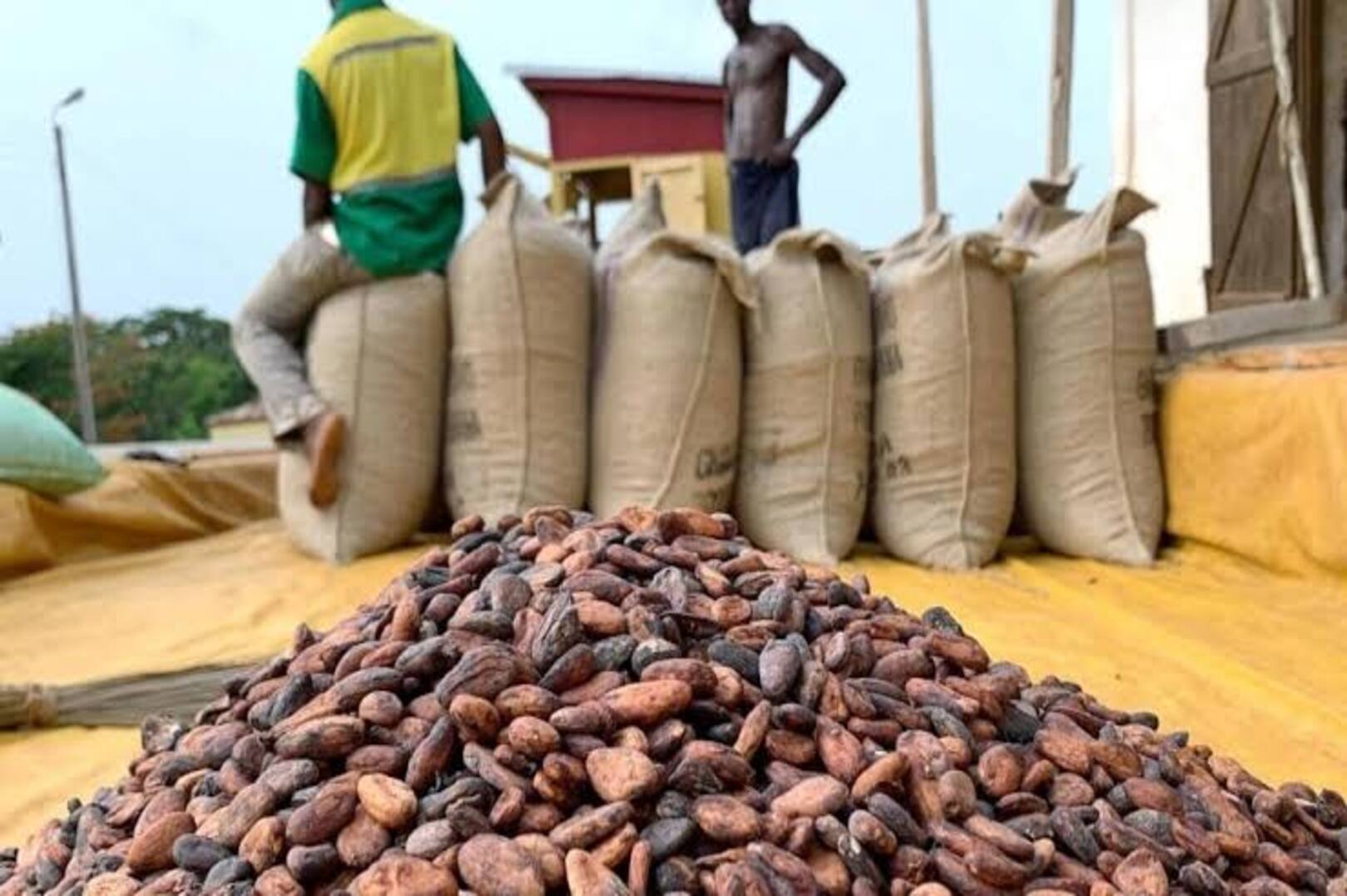
Ghana’s cocoa regulator, COCOBOD, has raised 3.39 billion Ghanaian cedis, equivalent to about $288 million, through a short-term domestic debt issue to help finance cocoa purchases from farmers during the 2026/27 season.
The funds will be channelled to licensed cocoa buying companies, which purchase beans directly from farmers. The financing comes as Ghana seeks to ensure sufficient liquidity for the new cocoa season, which began on September 25. The debt carries an interest rate of 11% and is due to mature in June 2027.
The amount raised was below COCOBOD’s initial target of 4 billion cedis, or roughly $340 million. It represents the first tranche of a broader 16.3 billion-cedi domestic financing programme, equivalent to about $1.4 billion. Under the programme, 14 billion cedis is earmarked for cocoa purchases during the 2026/27 season, while 2.3 billion cedis will be used to refinance existing COCOBOD debt.
The financing strategy marks a shift toward Ghana’s domestic capital market after the cocoa regulator faced difficulties securing its traditional international syndicated financing. The collapse of that model during the 2023/24 season forced COCOBOD to explore alternative sources of funding, while a subsequent buyer-financed arrangement contributed to payment delays during the previous cocoa season.
Ghana is one of the world’s leading cocoa producers, and the sector is a major source of income for millions of farmers and an important contributor to the country’s export revenues. By securing domestic financing, COCOBOD aims to provide licensed buyers with the liquidity needed to purchase cocoa from farmers while reducing its dependence on international borrowing.
The move comes as Ghana seeks to strengthen the financial sustainability of its cocoa sector and improve the flow of payments throughout the supply chain. The remaining tranches of the domestic financing programme are expected to provide additional resources as the 2026/27 cocoa season progresses.

