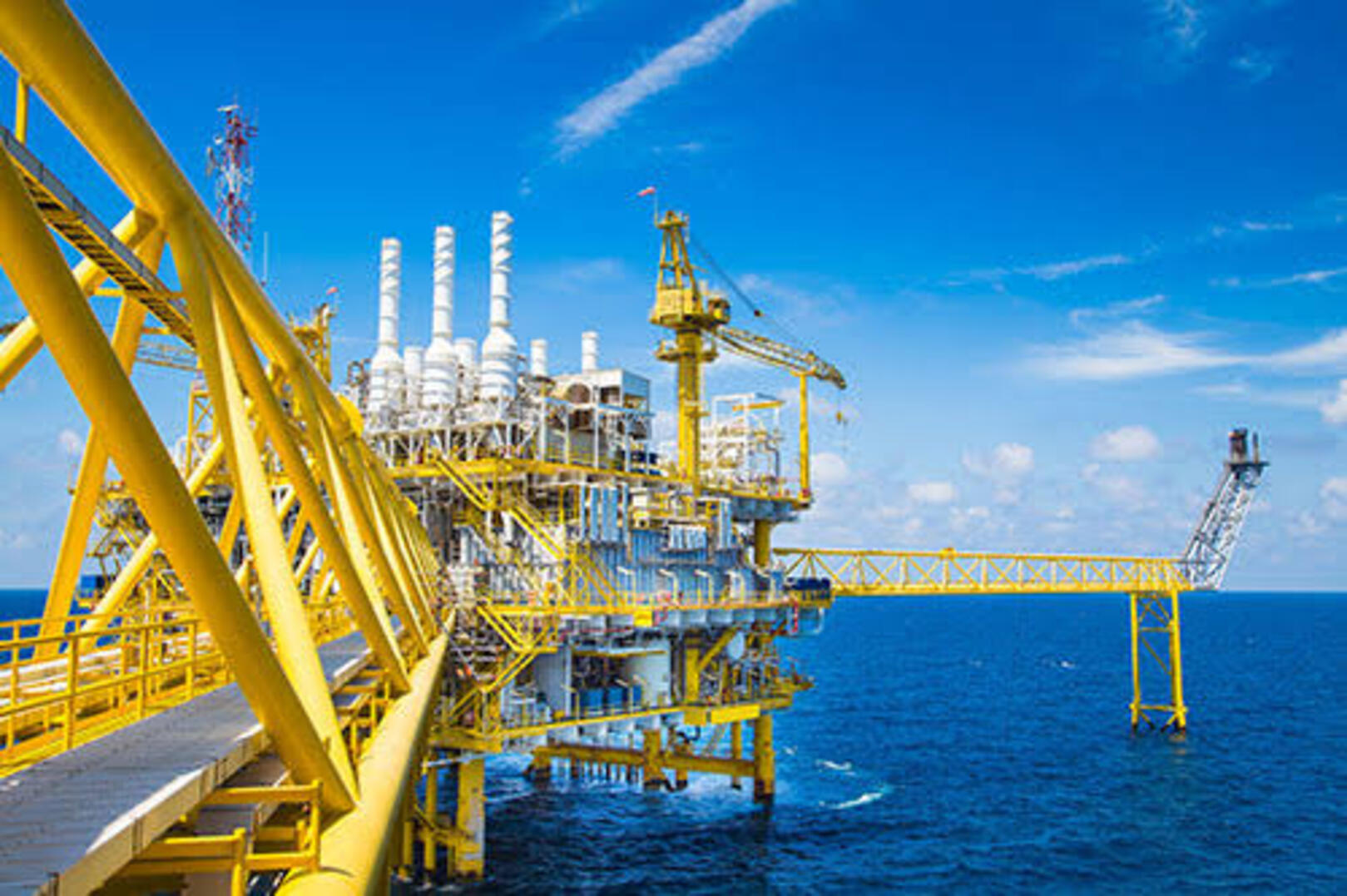
Nigeria is aiming to raise its crude oil production capacity to 3 million barrels per day (bpd) by 2030, backed by up to $50 billion in planned offshore investments and a renewed push to accelerate major oil and gas projects, government officials said. Africa’s largest oil producer is seeking to reverse years of declining output caused by underinvestment, operational challenges, pipeline vandalism and crude theft, while restoring investor confidence through sector reforms.
The strategy is supported by the implementation of the Petroleum Industry Act (PIA), which was designed to improve transparency, strengthen regulation and create a more attractive environment for energy companies. Nigerian authorities say the reforms have helped unlock new investment commitments from international oil firms and encourage the development of deepwater and offshore projects.
A key component of the plan is the revival of major offshore developments, including the Bonga South West Aparo project, led by Shell and its partners, which could attract around $20 billion in investment. Other projects, including ExxonMobil’s Usan Infill development, are also expected to contribute to future production growth.
The Nigerian government believes these investments will help expand production capacity, increase foreign exchange earnings and reinforce the country’s position as one of Africa’s leading oil producers. However, analysts warn that achieving the 3 million bpd target will depend on overcoming persistent challenges, including security risks in oil-producing regions, infrastructure constraints and maintaining a stable investment climate.

