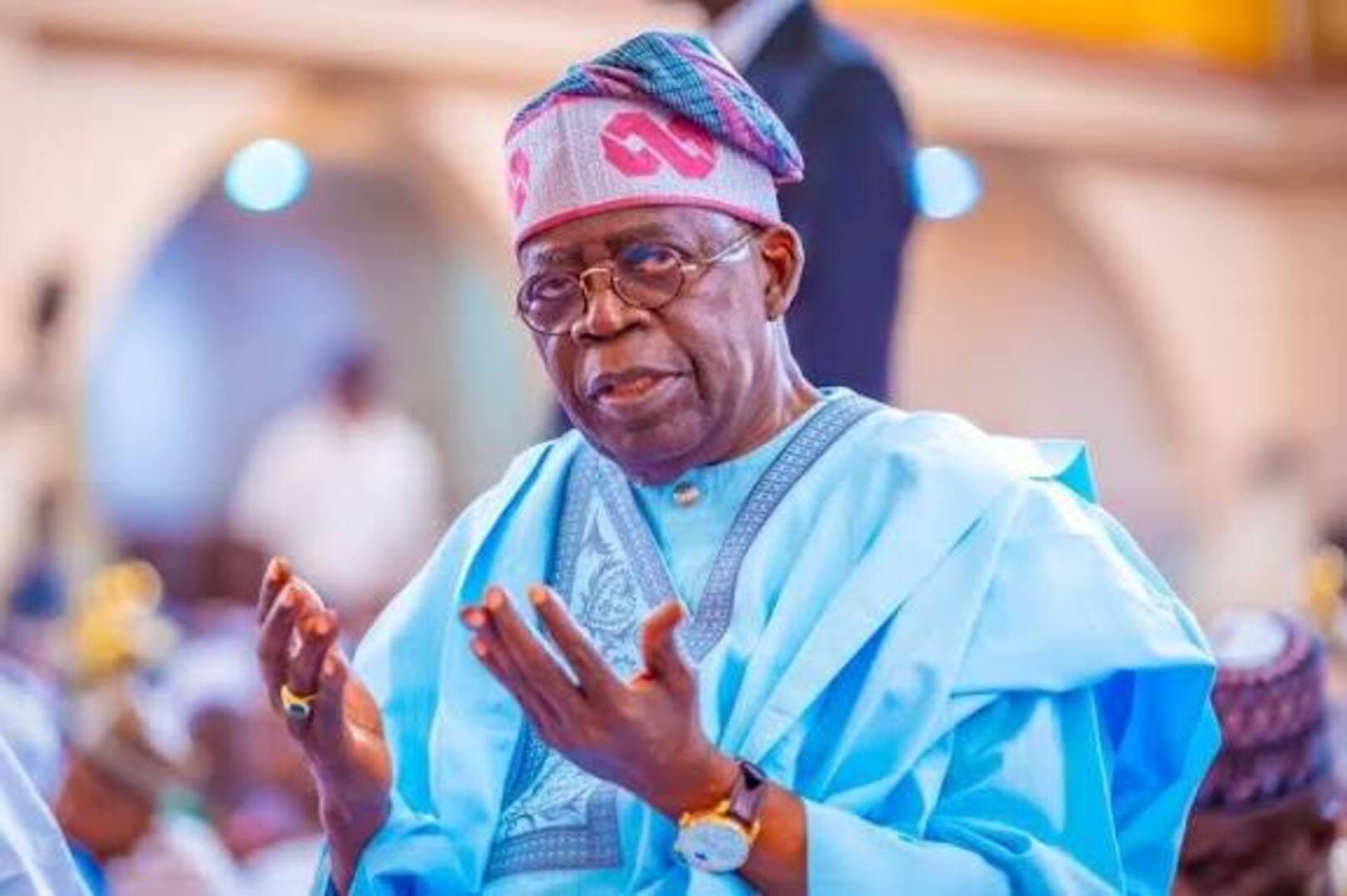
President Bola Ahmed Tinubu said Nigeria will allocate more than $11 billion to debt servicing in 2026, a figure that represents nearly half of the country’s projected public revenue, underscoring mounting fiscal pressures on Africa’s largest economy.
Speaking at the Africa Forward Summit in Nairobi, Tinubu warned that rising debt obligations are constraining government spending and limiting fiscal space for key development priorities, including infrastructure, education, and healthcare.
The announcement highlights Nigeria’s ongoing struggle with high debt servicing costs amid efforts to stabilize public finances and attract foreign investment. Economists have repeatedly raised concerns that debt repayments are absorbing a significant share of national income, reducing the government’s capacity to drive growth-oriented spending.
Tinubu has in recent months pushed for broader global financial reforms, arguing that developing economies face disproportionate borrowing costs and structural constraints within the international financial system.
Nigeria, which has Africa’s largest economy and population, continues to balance economic reforms with rising social and financial pressures, including inflation, currency volatility, and revenue shortfalls.
The government has not yet detailed how it plans to manage the heavy debt burden while maintaining planned development expenditures in 2026.

