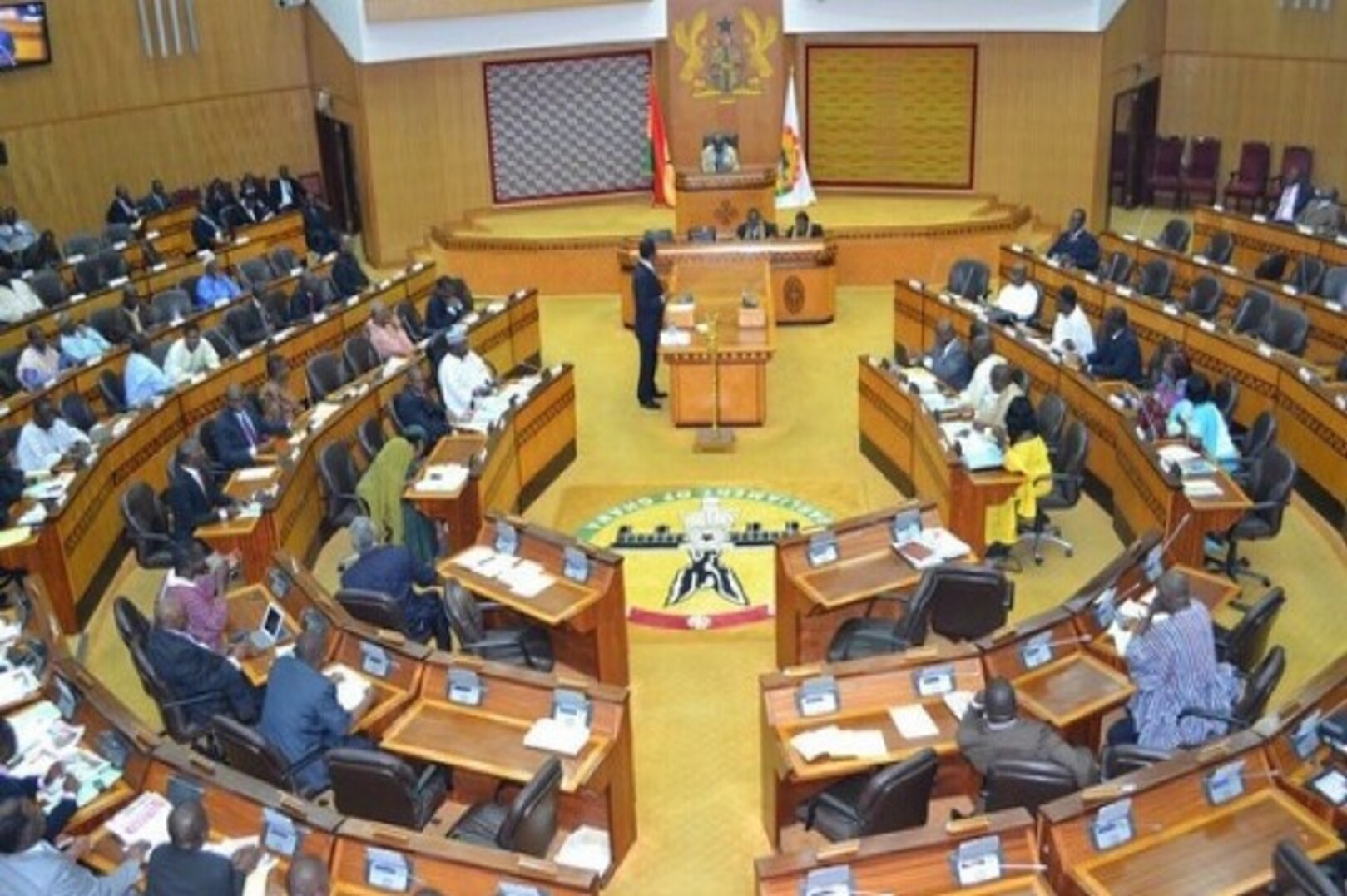
Ghana’s Parliament has taken a major step for the country’s energy future by ratifying the extension, until 31 December 2040, of the petroleum licences for the offshore Jubilee oil field and the Tweneboa-Enyenra-Ntomme (TEN) field. These two strategic assets are operated by a consortium led by the British group Tullow Oil, alongside partners including Kosmos Energy and the national company Ghana National Petroleum Corporation (GNPC).
The parliamentary decision secures the legal framework for production for an additional fifteen years. By extending the agreements related to the West Cape Three Points block (Jubilee) and the Deepwater Tano block (TEN), Ghana is sending a clear signal to investors: contractual stability remains a priority in a global context marked by price volatility and the ongoing energy transition.
This extension should allow continued drilling activities, optimization of existing infrastructure, and new investments aimed at maintaining offshore production levels.
A notable element of the agreement is that, from 20 July 2036, GNPC’s participation in these licences will increase by 10 percentage points. This change will strengthen the Ghanaian state’s direct share in revenues generated from the operations, reducing proportionally the stakes held by private partners.
This mechanism reflects a political will to capture greater value from natural resources while maintaining the technical and financial expertise of international operators.
The Jubilee and TEN fields have been at the core of Ghana’s oil production for more than a decade. They make a substantial contribution to public revenues, exports, and gas supply for domestic power generation.
At a time when the country faces fiscal constraints and heightened pressure on public finances, securing these strategic assets is intended to stabilize revenue flows over the long term. Authorities also expect the extension to unlock several billion dollars in additional investments over the life of the renewed licences.
The decision has not been without criticism. Some Ghanaian economic analysts have called for increased vigilance regarding the financial and fiscal terms of the agreements, arguing that the extension must be accompanied by a maximization of benefits for the national economy.
For the government, the balance remains delicate: ensuring an attractive environment for international investors while gradually strengthening the country’s energy and financial sovereignty.
With this ratification, Ghana consolidates its position as a key oil producer in West Africa, while progressively redefining the balance between foreign capital and state participation.