Attractiveness – Côte d'Ivoire ranks 1st in West Africa and 5th on the continent
The Côte d'Ivoire is back at the top. According to the annual Fraser Institute ranking, published on February 26, 2026, the country once again ranks as the most attractive mining jurisdiction in West Africa, reclaiming the leadership it lost to neighboring Ghana in 2024. With a score of 60.92 out of 100 on the attractiveness index, up from 55.70 in 2023, the trend is clearly upward.
The Fraser Institute ranking, recognized as one of the world’s leading benchmarks for evaluating mining environments, is based on surveys of executives from mining companies operating in 68 jurisdictions. Two main criteria determine the final score: the perception of mining policies and the assessment of national mineral potential. In both areas, Côte d'Ivoire improved its scores compared to the previous year.
This boost in attractiveness is no accident. It reflects growing confidence from the international investor community in the country’s regulatory and institutional environment. Justin Tremain, CEO of Turaco Gold, active on the Afema gold project, said at Africa Down Under 2025 that there is “no better place in the world” to develop a gold mine than Côte d'Ivoire. This view is shared by Adam Oehlman of African Gold, who highlights the speed of discoveries on the Didievi project.
In the sub-region, Côte d'Ivoire clearly outpaces its competitors. Ghana (55.21) and Guinea (52.16) rank second and third, followed by Mali (46.58) and Burkina Faso (35.29). The gap with the latter two remains significant.
On the continental level, Côte d'Ivoire ranks 5th, behind Botswana (1st), Morocco (2nd), Zambia (3rd), and Tanzania (4th). Globally, the country is 47th, while the U.S. state of Nevada retains first place overall.
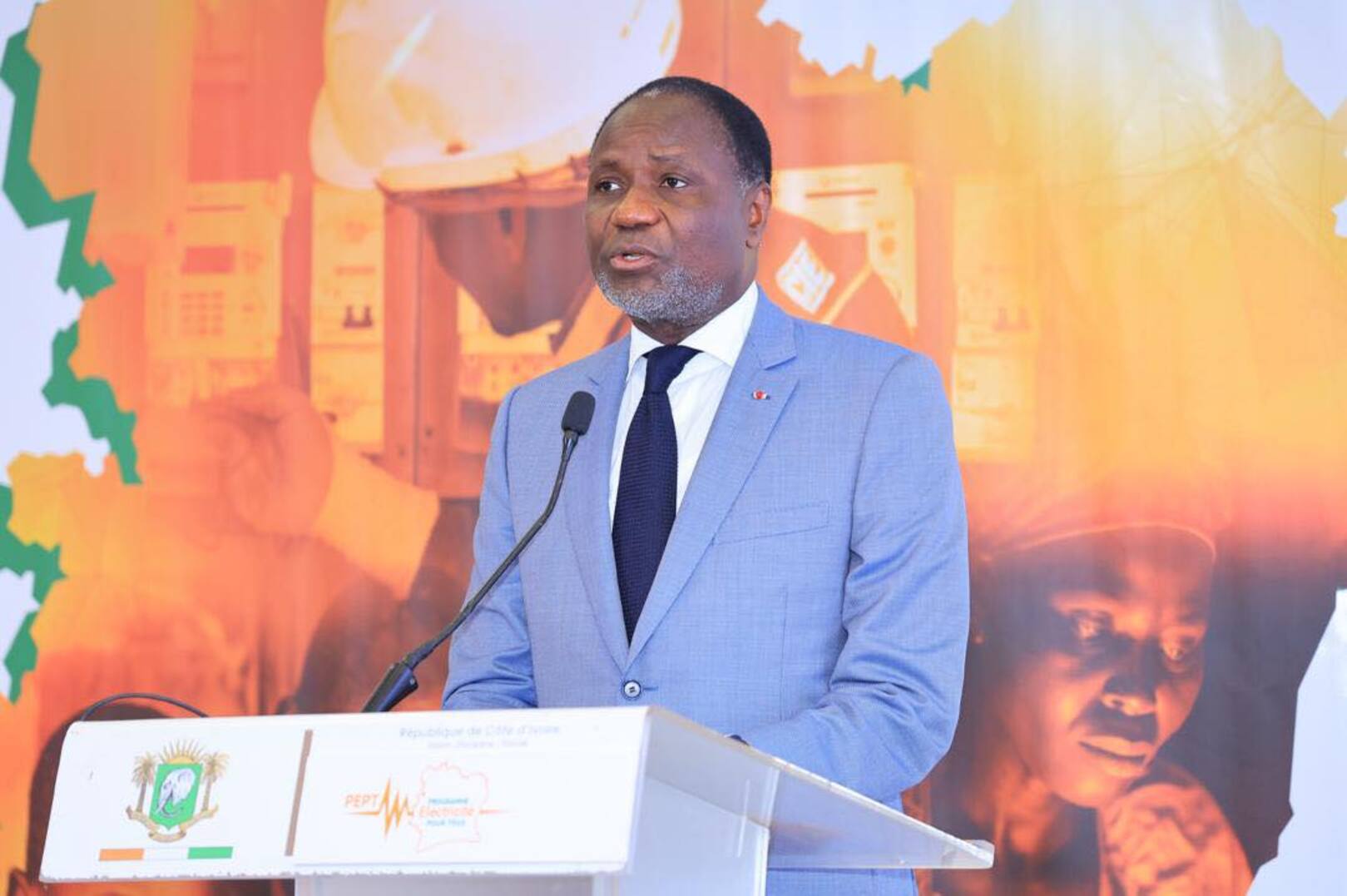
Beyond the numbers, the trajectory is noteworthy. In January, the Minister of Mines, Petroleum, and Energy, Mamadou Sangafowa-Coulibaly, presented the PIRME – Integrated Mineral and Energy Policy, a roadmap for the Ivorian extractive and energy sector. The goal is clear: to make Côte d'Ivoire the leading gold producer in Africa within five years.
This ambitious plan rests on three pillars: strengthening the country’s attractiveness for international investments, increasing national mining production, and ensuring environmentally responsible exploitation for future generations.
While the results are encouraging, the path to the continental podium remains challenging. Botswana and Morocco, firmly in the top two African positions, maintain a considerable lead. Moreover, Africa as a whole continues to show mixed results, with four African jurisdictions among the bottom ten globally.
Nevertheless, Côte d'Ivoire has demonstrated its ability to progress rapidly. The next step is to turn this momentum into concrete results on the ground, in terms of production and revenues for the state and local communities.