Côte d’Ivoire’s rubber industry reaches new record, but value addition remains the next challenge
Côte d’Ivoire’s natural rubber industry reached a new production record in 2025, reinforcing the country’s position as Africa’s leading producer and one of the world’s largest suppliers.
The country produced 1.85 million tonnes of natural rubber in 2025, up 9.9% from the previous year, according to figures released by Côte d’Ivoire’s Ministry of Agriculture. The increase further strengthens the country’s position as the world’s third-largest natural rubber producer.
The growth has been dramatic over the past two decades. Production rose from just 164,138 tonnes in 2005 to 1.678 million tonnes in 2023, according to government data. Côte d’Ivoire accounted for about 82% of Africa’s natural rubber production in 2023.
But as production expands, the country is increasingly turning its attention to a different challenge: capturing more value from the rubber it produces.
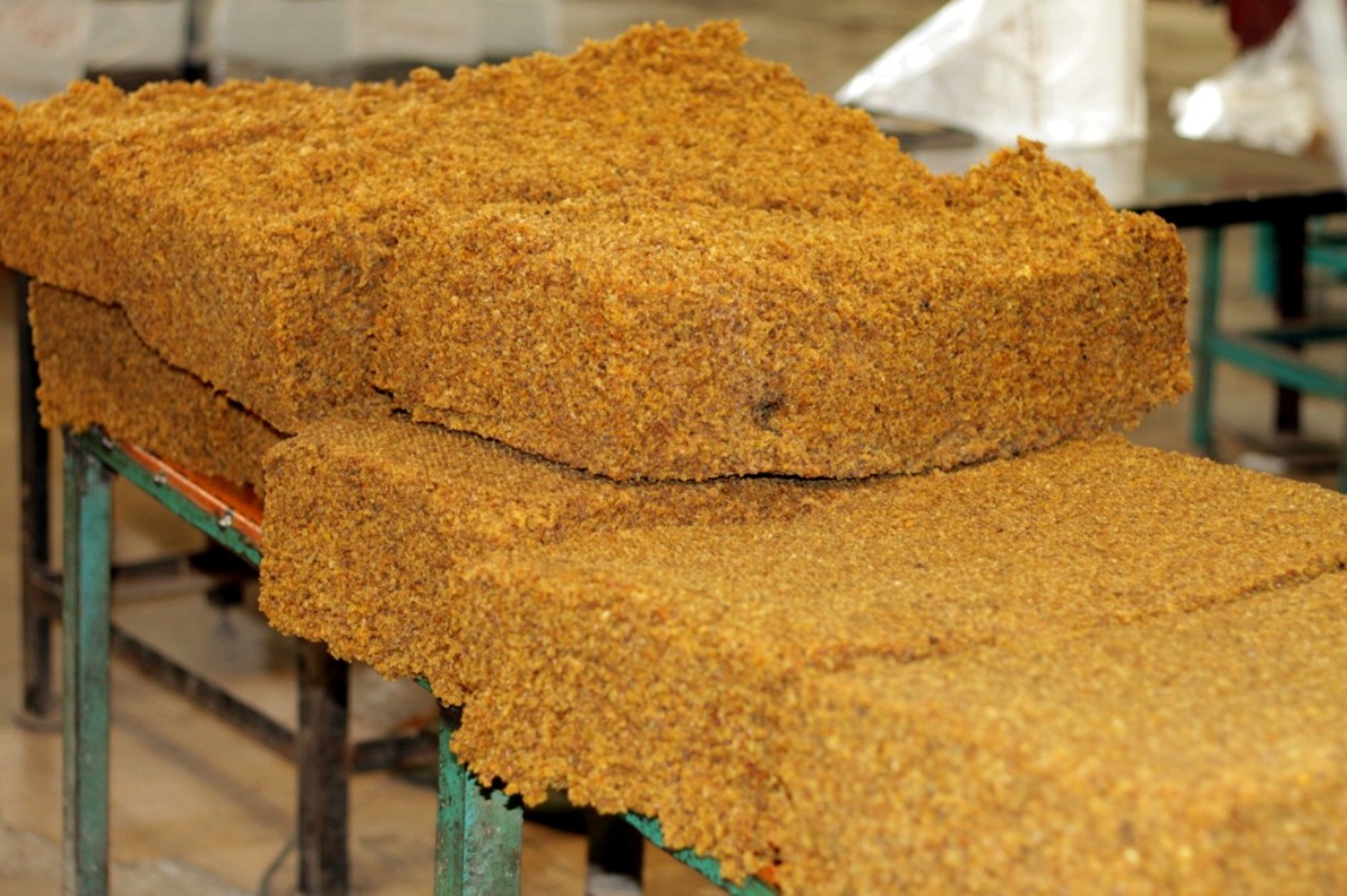
Côte d’Ivoire has made significant progress in processing natural rubber locally. The country has developed a large network of first-stage processing plants that convert latex and raw rubber into technically specified rubber for industrial markets.
However, the next stage of the value chain remains relatively underdeveloped.
The government and industry organisations are now encouraging investment in so-called second-stage processing, which involves turning processed rubber into finished or semi-finished products such as tyres, moulded components, belts, seals and other technical products.
In June 2025, Côte d’Ivoire’s rubber and oil-palm regulator announced a halt to new permits for first-stage rubber-processing plants and extensions of existing facilities, signalling a shift in policy toward higher-value processing.
The move reflects a growing concern that simply increasing processing capacity is not enough. The country needs to develop industries further down the value chain if it wants to generate more jobs, industrial expertise and export revenues from its rubber sector.
Rubber has already become an important source of foreign exchange for Côte d’Ivoire.
The country exported more than 1.87 million tonnes of natural rubber in 2025, according to figures reported at the end of the year. Export revenues have also increased sharply, making rubber one of the country's most important agricultural export commodities after cocoa.
But the continued strength of exports also highlights the industrial opportunity.
Instead of primarily selling processed rubber to international manufacturers, Côte d’Ivoire could capture a larger share of the global value chain by producing more finished goods domestically.
The government’s strategy is increasingly focused on this second transformation.
Industry studies in 2025 highlighted the limited development of local manufacturing using natural rubber and called for greater investment in products such as tyres, rubber components and other industrial applications.For Côte d’Ivoire, the stakes go beyond the rubber sector itself. Developing downstream industries could create demand for local engineering, packaging, logistics, energy and technical services, while generating new skilled jobs.
The country has already demonstrated that it can become a global production centre for natural rubber.
The next test is whether it can turn that production advantage into a broader industrial ecosystem.
For Côte d’Ivoire, the question is no longer simply how much rubber it can produce but how much value it can create from it.