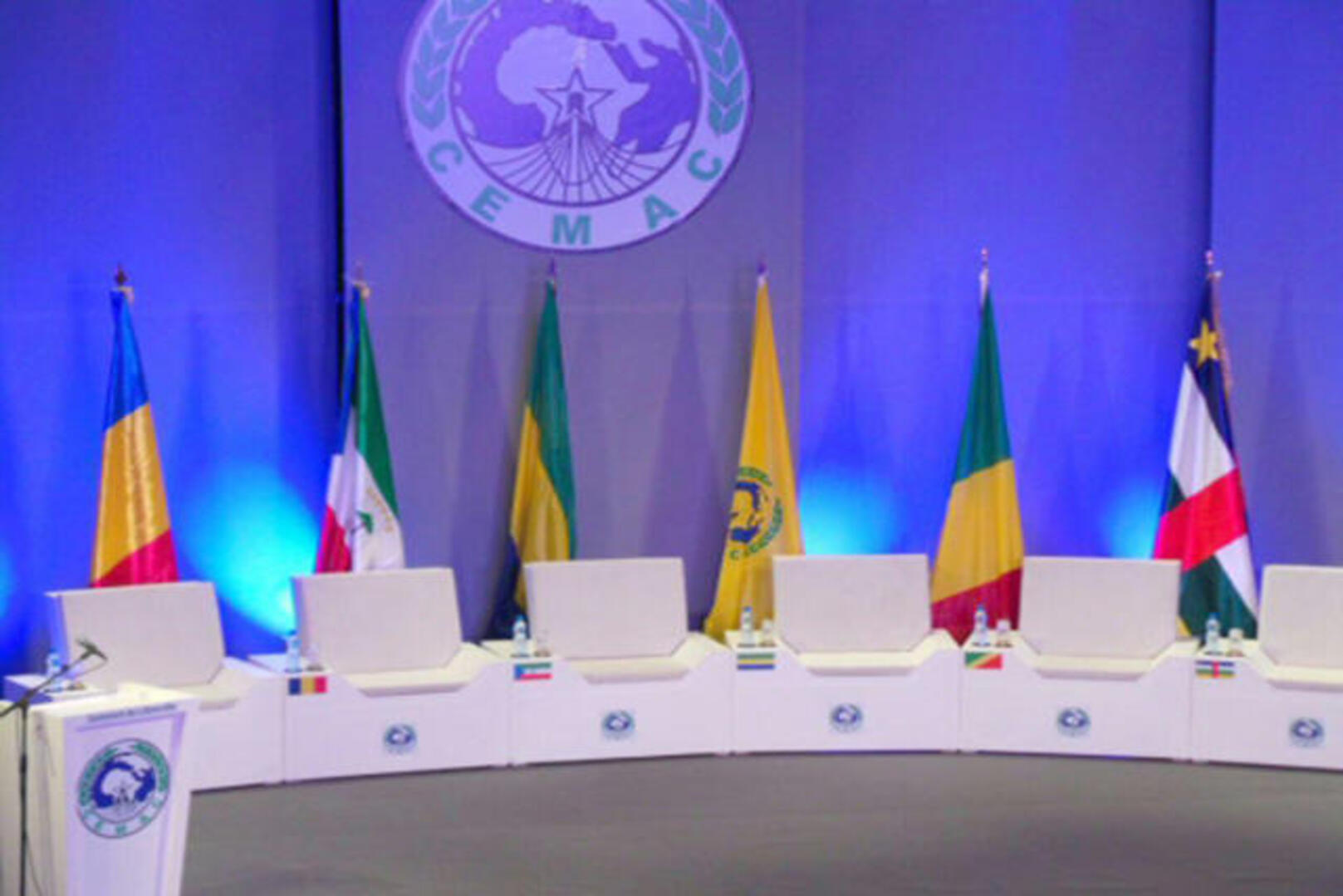
CEMAC: Extraordinary Summit of Heads of State Amid Growing Economic Concerns
The Heads of State of the Economic and Monetary Community of Central Africa (CEMAC) will meet on January 22, 2026, in Brazzaville for an extraordinary summit convened at the initiative of Congolese President Denis Sassou Nguesso, who currently serves as Chair of the Conference of Heads of State.
This meeting comes at a particularly sensitive time for the region, barely four months after the last ordinary session—highlighting the urgency and seriousness of the challenges ahead. According to several consistent sources, the summit aims to anticipate a major economic, financial, and monetary shock that could hit the sub-region as early as the first quarter of 2026. The speed with which the meeting was convened reflects growing concerns among authorities about an unfavorable international environment and persistent structural weaknesses within CEMAC economies.
CEMAC—which brings together Cameroon, Congo, Gabon, Equatorial Guinea, the Central African Republic, and Chad—is facing a combination of risks, including the global economic slowdown, geopolitical tensions, the vulnerability of public finances, heavy dependence on commodities, and mounting pressure on foreign exchange reserves. These challenges are compounded by internal issues related to monetary stability, rising debt levels, and the sustainability of fiscal policies.
Against this backdrop, Heads of State are expected to examine coordinated measures aimed at preserving macroeconomic and financial stability across the region, while strengthening the resilience of national economies. The Brazzaville summit is expected to place particular emphasis on monetary issues, notably the role of the Bank of Central African States (BEAC), the management of foreign exchange reserves, and crisis prevention mechanisms.
Strong decisions could be considered to reassure markets, international partners, and populations at a time marked by heightened uncertainty. Beyond the technical aspects, this meeting will also serve as a test of regional solidarity, as member states are called upon to move beyond purely national responses and adopt a more unified, community-based approach.