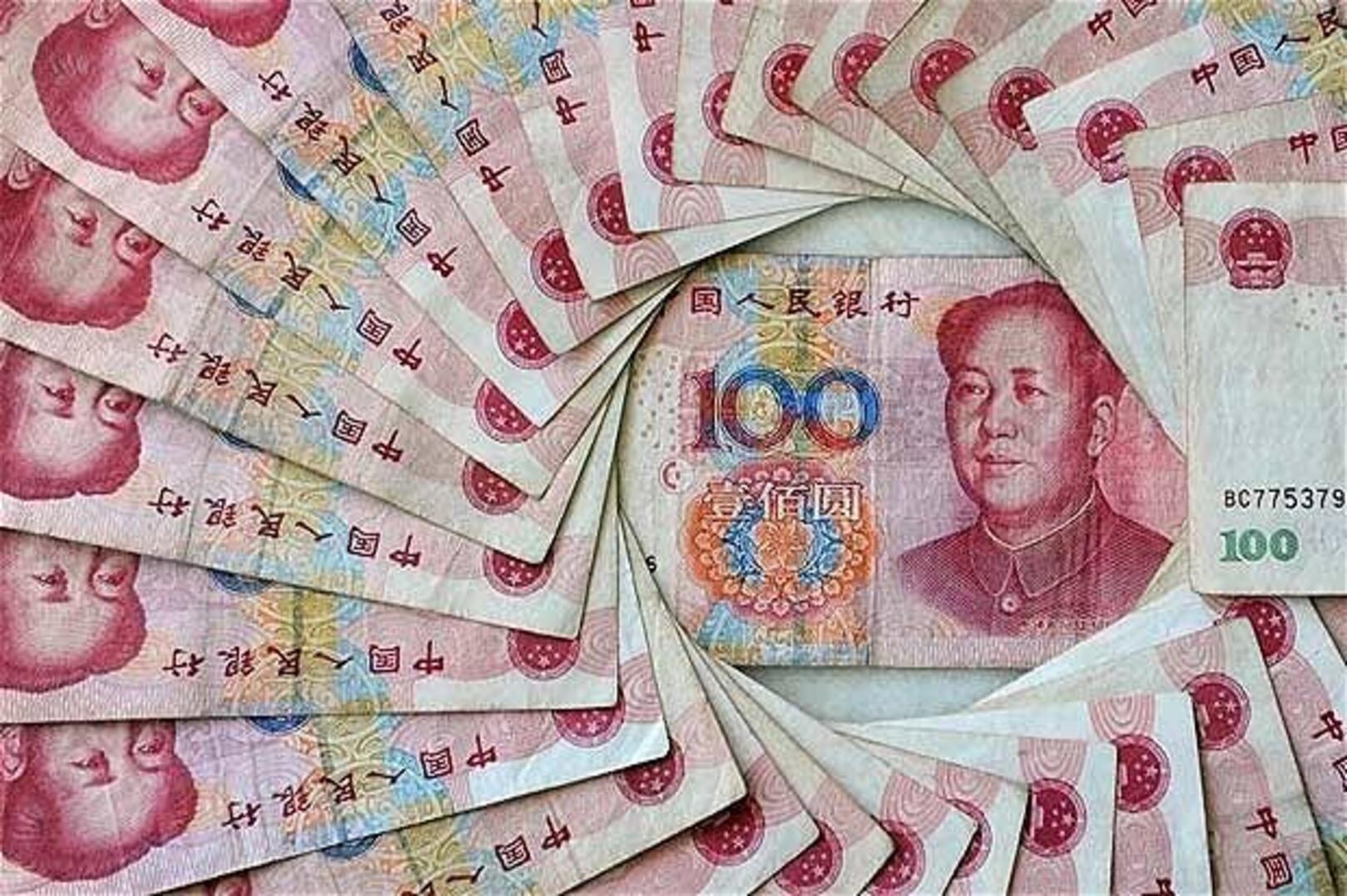
China pushes for wider use of the yuan in Africa
China is stepping up efforts to expand the use of the yuan in Africa as trade and financial ties deepen, giving African companies and governments more options to settle transactions directly in the Chinese currency rather than relying on the U.S. dollar. China-Africa trade reached a record $348 billion in 2025, up nearly 18% from the previous year, increasing demand for faster and cheaper payment channels. Ecobank has been working with Bank of China on a platform that would allow businesses to settle some transactions directly in yuan, while Beijing has expanded financial infrastructure designed to support renminbi payments across the continent.
A key development came in June, when China approved Standard Bank and Industrial and Commercial Bank of China (ICBC) to operate jointly as the “Renminbi Clearing Bank of Africa”, with capacity to clear yuan transactions in 19 African countries. Standard Bank became the first African bank authorised to participate in China’s Cross-Border Interbank Payment System, or CIPS, in November 2025. It processed about 3.39 billion yuan, equivalent to roughly $470 million, through CIPS during its first four months, with cumulative transactions later exceeding 8 billion yuan. In Angola, Banco de Fomento Angola is also preparing to join CIPS as demand for direct yuan settlements grows.
The push is part of Beijing’s broader effort to internationalise the yuan and reduce reliance on financial systems dominated by the dollar. For African economies, direct yuan payments can reduce currency-conversion costs and exposure to fluctuations in the dollar when trading with China. The trend is also reaching debt management: Kenya converted three Chinese railway loans from dollars into yuan, with the restructuring cutting debt-service costs by about $215 million a year, according to Reuters and AidData. Zambia has also said it would accept certain mining royalties and taxes from Chinese companies in yuan.
Despite the momentum, the yuan remains far from replacing the dollar in Africa. Its use is growing mainly in transactions involving China, supported by new payment infrastructure, trade links and Chinese financing. The development nevertheless gives Beijing a stronger financial foothold on the continent and offers African countries an additional currency option as they seek to diversify their international payments and reduce some of the costs associated with dollar-based trade.

