Islamic Development Bank approves $235 million financing for Côte d’Ivoire regional transport corridor
The Islamic Development Bank (IsDB) has approved a $235 million financing package (approximately 135 billion CFA francs) to support the construction of a strategic section of a regional transport corridor linking Abidjan to Burkina Faso and Mali, authorities and project sources said.
The project forms part of a key West African trade route connecting Côte d’Ivoire’s commercial capital and main seaport with landlocked Sahelian countries, where transport infrastructure remains critical for trade flows and regional integration.
The corridor is widely regarded as one of the most important logistics arteries in West Africa, facilitating the movement of goods between coastal economies and inland markets across the region.
According to officials, the investment aims to improve traffic flow, reduce logistics costs, and strengthen regional connectivity for businesses and populations dependent on cross-border trade.
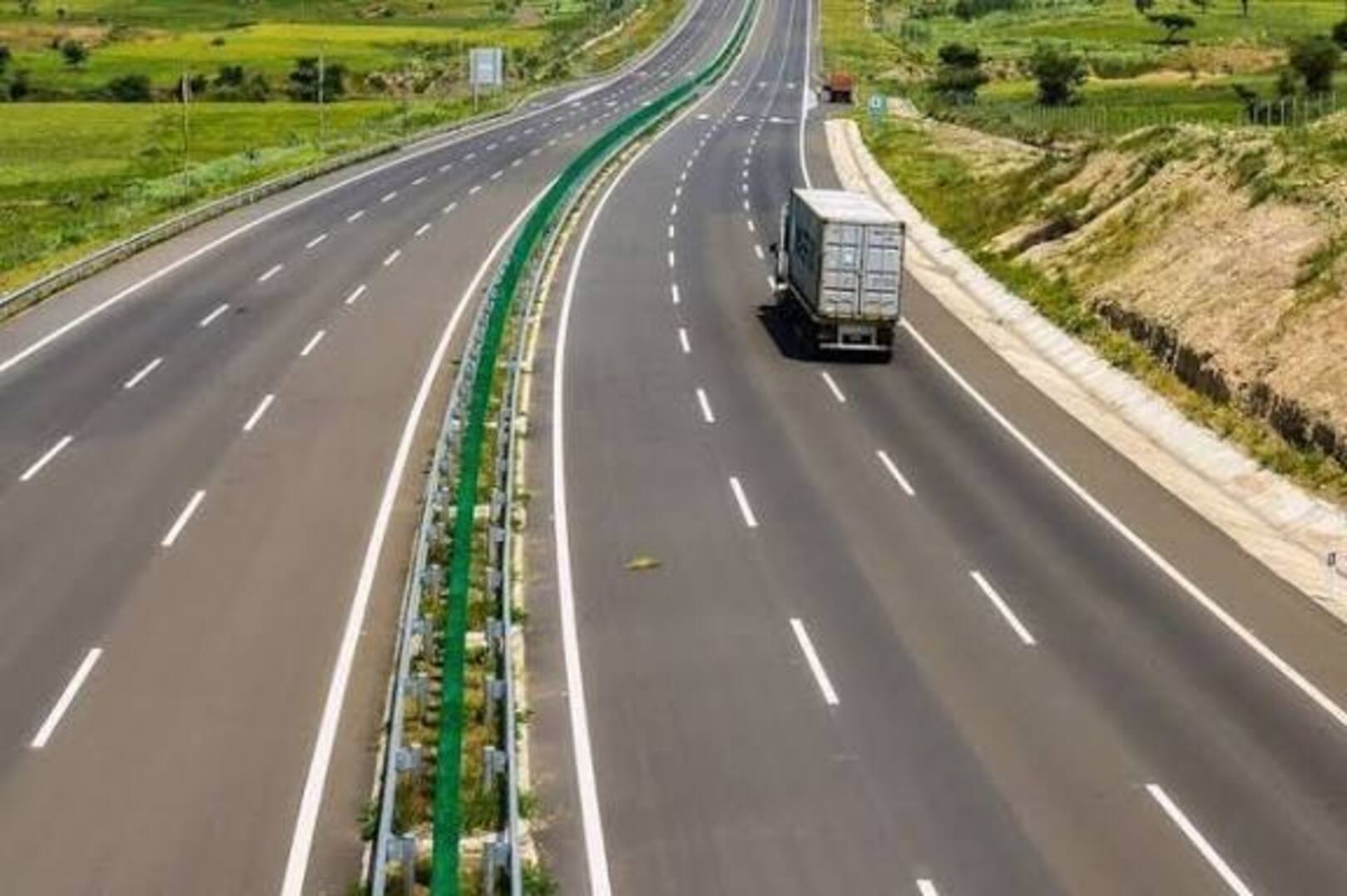
The financing is expected to support the rehabilitation and expansion of a critical road segment that plays a central role in freight transport between Côte d’Ivoire and its northern neighbors. Authorities say the project will also enhance the competitiveness of the Port of Abidjan as a gateway to Sahelian markets.
The IsDB, a multilateral development finance institution focused on infrastructure and development projects in member countries, has historically supported major transport, energy, and social infrastructure initiatives across Africa, including road corridors designed to boost regional integration.
Economic analysts say improved transport infrastructure along the Abidjan–Ouagadougou–Bamako axis could significantly reduce transportation costs, improve supply chain efficiency, and stimulate trade within the West African Economic and Monetary Union (WAEMU) and beyond.
The corridor is also expected to contribute to broader regional integration objectives by strengthening economic links between coastal and landlocked countries, particularly at a time when West African economies are seeking to diversify trade routes and improve resilience in logistics networks.
However, experts note that the success of such infrastructure projects will depend on timely execution, maintenance capacity, and security conditions along key transit routes, particularly in areas affected by regional instability.
Despite these challenges, the latest financing underscores continued international confidence in Côte d’Ivoire’s infrastructure development strategy and its role as a regional trade hub.
Once completed, the upgraded corridor is expected to enhance the efficiency of one of West Africa’s busiest commercial routes, reinforcing Abidjan’s position as a critical gateway for regional commerce.