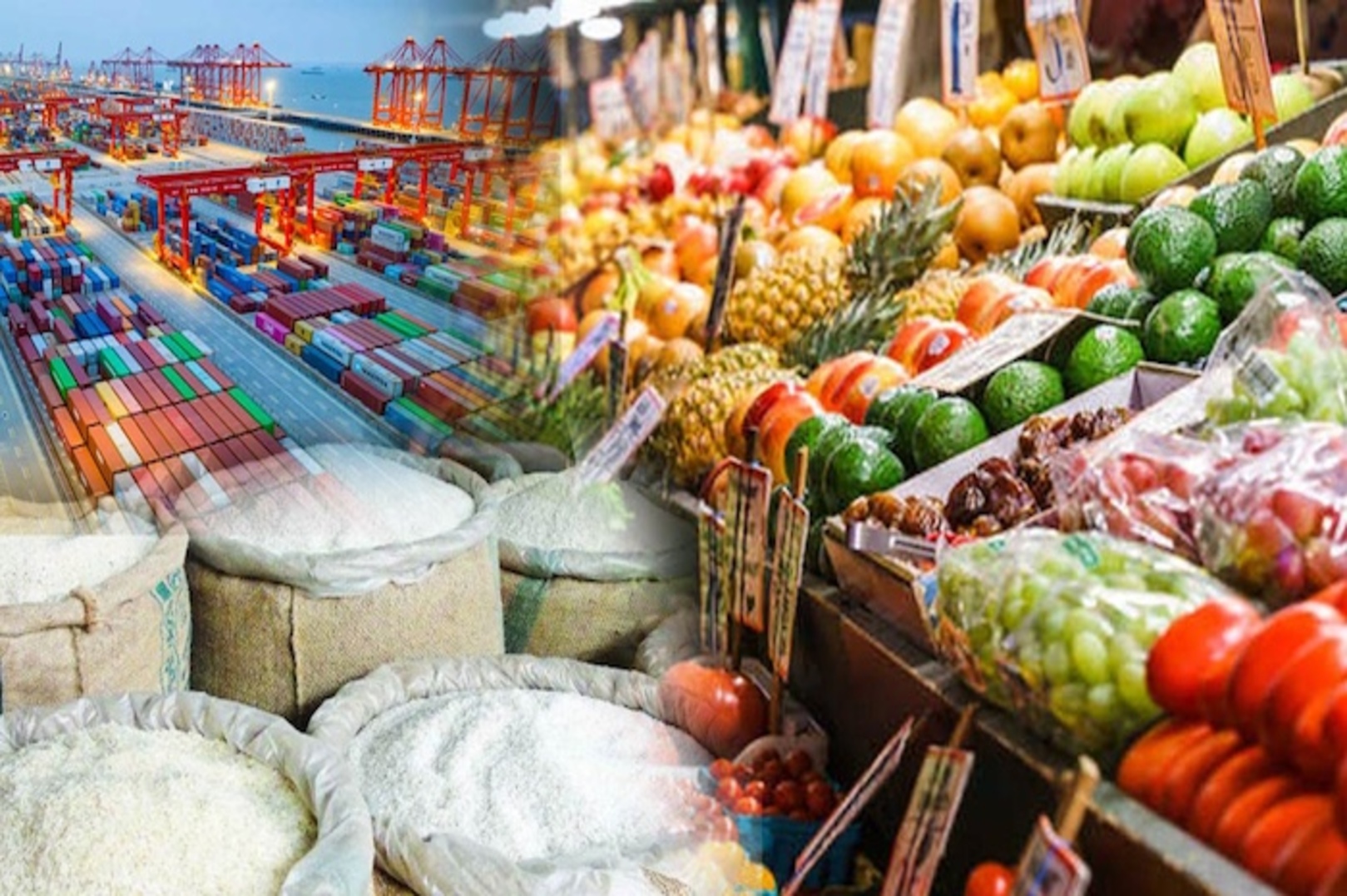
Nigeria has introduced a revised trade policy that tightens import restrictions on selected goods as part of efforts to strengthen domestic industries and reduce reliance on foreign products, according to official government communications and trade policy documents.
The measures target specific categories including poultry, cement, certain pharmaceutical products, processed food items, sugar, vegetable oil, beverages, and tomato-based products. The policy is designed to encourage local production, support industrial growth, and expand employment opportunities within the country’s manufacturing and agricultural sectors.
However, contrary to claims circulating online, Nigeria has not imposed a blanket ban on imports from Europe, Asia, or the Americas. The country continues to engage in international trade and remains heavily integrated into global supply chains, particularly with major partners such as China, the European Union, and the United States.
Authorities say the updated restrictions are part of a broader import substitution strategy aimed at boosting self-sufficiency and strengthening regional value chains, particularly within West Africa. The policy also aligns with Nigeria’s long-term industrialization agenda.
While certain goods are subject to tighter controls or higher tariffs, officials emphasize that the country remains open to trade and foreign investment. The focus, they say, is on reducing dependency in sensitive sectors rather than closing the economy.
Nigeria’s trade policy adjustments come amid ongoing efforts across Africa’s largest economy to stabilize its currency, improve local production capacity, and diversify revenue sources beyond oil dependence.